

Site Logo Delaware Health and Social Services

    State’s First 2025 Detection of West Nile Virus Found in DNREC’s Sentinel Chickens

    No Human Cases of WNV Reported to Date in State; Equine Owners Urged to Vaccinate Their Animals

    West Nile Virus (WNV) has been detected in Delaware for the first time for 2025 in sentinel chickens that help the Department of Natural Resources and Environmental Control (DNREC) monitor the state for mosquito-borne illnesses.

    The DNREC Mosquito Control Section reported WNV detection at three different sentinel chicken flock locations in New Castle County that were sampled Aug. 11, with virus-positive confirmation of the chickens Aug. 13 from the Delaware Division of Public Health (DPH) laboratory. “The date of these detects is slightly later than our typical first detection date, historically the last week in July or first week in August – but is consistent with other WNV activity thus far this summer elsewhere in the mid-Atlantic and Northeast,” said DNREC Mosquito Control Section Administrator Tom Moran.

    The Mosquito Control Section deploys small sentinel chicken flocks throughout the state during summer and early fall as surveillance strategy for certain mosquito-borne illnesses. Weekly blood samples taken from these chickens are tested for WNV and Eastern Equine Encephalitis (EEE) antibodies by the DPH lab. Sentinel chickens bitten by mosquitoes carrying WNV or EEE develop antibodies to these diseases but are otherwise unaffected.

    A positive detect informs the Mosquito Control Section about which virus is circulating in the vicinity of the detection and is evidence that infected mosquitoes in the area have passed the virus to the sentinel chickens. DNREC then conducts further surveillance on which, and how many, mosquito species are present in the area of detection, as only certain species can transmit WNV and/or EEE to humans and horses. This surveillance will in turn determine any control measures to be taken by the Mosquito Control Section.

    While there have been no reported WNV cases yet in humans for 2025 in the state, Delawareans are reminded that the possibility of contracting mosquito-transmitted diseases, including WNV and EEE, will continue until colder autumn temperatures arrive in mid-October. The DPH Disease Prevention and Control Section reports that Delaware had one probable case of neuroinvasive WNV in 2024 with no human WNV cases to date this year.

    Most people infected with WNV do not develop symptoms, but about 20% can develop a mild illness, including fever, body and muscle aches, headache, nausea, vomiting, and rash symptoms. A small number of people can develop serious illness involving neurological problems, paralysis, and possibly death. EEE is not as prevalent as WNV but can present more severe symptoms in humans and horses.

    According to the Delaware Department of Agriculture (DDA), there were six equine cases of WNV in 2024, and no EEE cases, with no cases of either disease to date recorded this year. The State Veterinarian’s Office within DDA urges horse owners to have all their equine animals vaccinated by veterinarians against both WNV and EEE. While vaccines for the mosquito-borne illnesses are highly effective in minimizing disease, horses and equines that have been vaccinated in the past will need an annual booster shot. Neither disease has a specific drug treatment, and infections in horses are fatal in 70% to 90% of EEE cases and 30% of WNV cases.

    Horse owners can take several additional steps in the barn and around the farm to help protect their horses from mosquito bites. Horses should be kept inside at dawn and dusk, peak hours for mosquito activity. Topical insect repellents labeled for use on horses can also be applied. Wind generated by fans installed in horse stalls can also help deter mosquitoes. Water troughs or buckets should be emptied, cleaned, and refilled every 2-3 days to remove mosquito eggs or larvae.

    Spraying to reduce mosquito populations in areas where WNV or EEE is detected may be initiated by the DNREC Mosquito Control Section as warranted, based on factors to include mosquito population levels and mosquito species present in affected areas. Residents can also contribute to lessening the chance of mosquito-borne disease transmission by eliminating mosquito habitat – by draining or removing outdoor items that collect water, such as discarded buckets or containers, uncovered trashcans, stagnant birdbaths, open rain barrels or cisterns, old tires, upright wheelbarrows, flowerpot liners, depressions in boat tarps, clogged rain gutters, corrugated downspout extenders, and unused swimming pools.

    Delawareans also are reminded to take common-sense precautions to avoid mosquito bites, including wearing light-colored, long-sleeved shirts and pants when outdoors in mosquito-prone areas; applying insect repellent containing 10% to 30% diethyltoluamide (DEET) in accordance with label instructions; and avoiding mosquito-infested areas and times of peak mosquito activity around dusk, dawn and at night.

    More information about mosquitoes and mosquito-borne diseases in Delaware is available from the following resources:

    • For mosquito biology/ecology and control, contact the DNREC Mosquito Control Section office in Dover at 302-739-9917, with more information at gov/mosquito
    • For requests for mosquito relief in upstate areas from Dover north, contact Mosquito Control’s Glasgow field office at 302-836-2555.
    • For requests for mosquito relief in downstate areas south of Dover, contact Mosquito Control’s Milford field office at 302-422-1512.
    • For animal health questions, contact the DDA Poultry and Animal Health Section at 302-698-4500.
    • To report suspected cases of human WNV, call the DPH Office of Infectious Disease Epidemiology toll-free at 888-295-5156.

    For more information on West Nile virus or eastern equine encephalitis, visit the Centers for Disease Control website.

    About DNREC
    The Delaware Department of Natural Resources and Environmental Control protects and manages the state’s natural resources, protects public health, provides outdoor recreational opportunities and educates Delawareans about the environment. 
    For more information, visit the website and connect with @DelawareDNREC on YouTubeFacebookInstagramX (formerly known as Twitter) or LinkedIn.

    Media contacts:
    DPH: Sean Dooley, sean.dooley@delaware.gov
    DPH Offers Back-to-School and Sports Physicals at Clinics Across Delaware

    DOVER, Del. (July 30, 2025) – The Delaware Division of Public Health (DPH) will hold a special Back-to-School and Sports Physical Day at one clinic in each county the first week of August. The event is open to all Delawareans looking for a back-to-school physical or for a physical required to participate in Delaware Interscholastic Athletic Association (DIAA) activities. Insurance will be accepted. With or without insurance, the maximum out-of-pocket cost is $20. Appointments are encouraged, as walk-in availability will be limited and wait times may be long. To schedule an appointment, call the appropriate clinic listed below.

    Special physical days are set as follows (with contact information listed):

    Wednesday, August 6, 2025, 8:30 a.m. to 4:00 p.m.
    Kent County:
    Riverwalk State Service Center
    Riverwalk Shopping Center
    253 NE Front Street
    Milford, DE 19963
    For appointments, call 302-424-7140.

    Thursday, August 7, 2025, 8:30 a.m. to 4:00 p.m.
    New Castle County:
    Floyd I. Hudson State Service Center
    501 Ogletown Road
    Newark, DE 19711
    For appointments, call 302-283-7587

    Sussex County:
    Thurman Adams, Jr. State Service Center
    546 S. Bedford Street
    Georgetown, DE 19947
    For appointments, call 302-515-3224.

    “DPH recognizes that there is great need in our community for access to back-to-school and sports physicals,” said Dr. Awele Maduka-Ezeh, DPH medical director. “Our clinics offer a wide range of services throughout the year to our community each day, and we want to highlight that work with our upcoming back-to-school and sports physical days. We’re excited for Delawareans to take advantage of these programs and to learn more about our outstanding health clinics.”

    More information is available at de.gov/physicals.

    DPH Reminds Residents to Protect Pets During Heat Waves

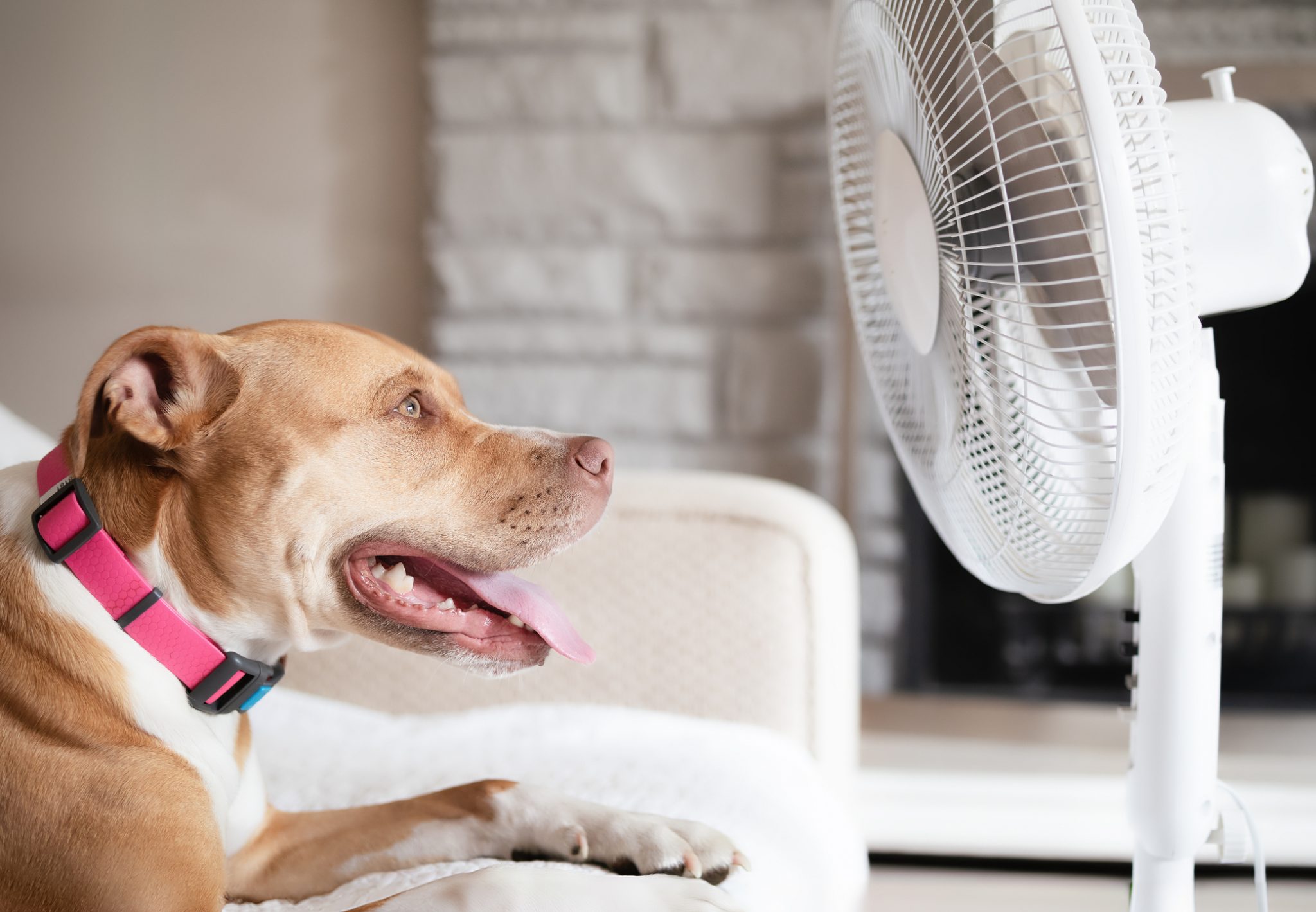
    DOVER, DEL.(June 25, 2025) – The Delaware Division of Public Health’s (DPH) Delaware Animal Services (DAS) office urges pet parents to keep their pets indoors during this and any future heat wave. The animal welfare law enforcement agency has been inundated with calls about pets left outdoors in the heat, and the current conditions can be extremely hazardous and even deadly to these animals.  Any such illnesses or deaths are completely avoidable by following some basic guidelines.

    Delaware law prohibits leaving a dog outside and unattended during a hazardous weather advisory or where conditions pose a serious adverse risk of health and safety to the animal. Delaware is currently under an extreme heat warning, and as summer is just beginning, this will likely not be the last such heat wave.

    Fully dependent on their human best friends for their care, pets are extra vulnerable to extreme heat. Animals at the greatest risk of stress from the heat include pregnant or lactating animals, very young and older animals, animals with darker coats, obese pets, short-nosed dog breeds and animals with chronic health conditions. It is best to bring pets indoors and provide plenty of water.

    Practice caution when walking dogs. If you must walk them, the best time of day in the summer months is in the early morning or late evening when the sun’s heat is not as intense. A simple touch of your hand to any surface where a walk is planned will tell if it’s too hot for a dog. If it’s too hot for a human hand, it’s too hot for a dog’s paws.

    Pets should also never be left in cars unattended even for a brief time.  Even if the windows are cracked, the temperature in a car can rise to a dangerous level very quickly.  To report an animal emergency, call DAS at 302-255-4646.

    The Centers for Disease Control and Prevention offers a heat and health tracker to determine the conditions for your specific area.

    DPH Reminds Residents to Stay Cool, Hydrate, and Seek Shade During Heat Wave

    The Delaware Division of Public Health (DPH) urges residents to take precautions during the upcoming extreme heat wave. According to the National Weather Service, Delaware will face higher temperatures and extreme heat conditions in the coming days.

    While conditions such as those expected across the state in the next few days pose a risk for individuals of all ages and health status, certain populations are at greater risk for heat-related illnesses and heat impact. DPH offers the following information, education, and resources to assist Delawareans during the current heat wave and those expected to come this summer.

    Populations at greater risk of heat-related illnesses and heat impact:

    • Infants and children: One of our most vulnerable populations, infants and children, rely on others to care for them and address their needs. They are unable to fully communicate when they are overheated or thirsty/dehydrated and require additional attention during extreme heat.
    • Older adults: Those 65+ often cannot adjust to sudden temperature changes as well as younger individuals, and in some cases, this is due to their medications or current health conditions. Extra precautions should be taken and assistance from family members is even more important during extreme heat.
    • Pregnant individuals: Pregnancy can make you more likely to get sick from the heat because the body has to work harder to cool down both you and the baby. Additionally, hydration is especially important for pregnant individuals as you are more likely to become dehydrated more quickly.
    • Pets: Fully dependent on their human best friends for their care, pets are just as vulnerable to extreme heat. Animals at the greatest risk of stress from the heat include pregnant or lactating animals, very young and older animals, animals with darker coats, obese pets, short-nosed dog breeds and animals with chronic health conditions. It is best to bring pets indoors and provide plenty of water.

    Additionally, those who work outside, individuals with chronic health conditions, and anyone unable to obtain shelter in a cool, well-ventilated place are at greater risk of heat-related illnesses. If you know someone in any of these vulnerable populations, be sure to check on them frequently and offer assistance where possible.

    General tips to prevent heat-related illness:

    Stay as cool as possible.

    • Try to find an air-conditioned place, if possible, to help keep your body temperature at the right level. If you do not have an air-conditioned residence, locate a local cooling station or visit a public place such as a mall or library.
    • Wear the appropriate clothing. Choose lightweight, light-colored, loose-fitting clothing.
    • Use your stove or oven less to keep your home temperature down and avoid hot and heavy meals which add heat to your body.

    Avoid outdoor activities or plan accordingly.

    • If you have the option to avoid outdoor activity or limit it, do so.
    • If you must be outside for work or other activities, try to limit time outdoors to the coolest parts of the day. Pace yourself and protect your body from the sun by wearing a wide-brimmed hat, sunglasses, and sunscreen of SPF 30 or higher applied 30 minutes prior to going out and reapplied as appropriate.
    • Practice caution when walking dogs. If you must walk them, the best time of day in the summer months is in the early morning or late evening when the sun’s heat is not as intense. A simple touch of your hand to any surface where a walk is planned will tell if it’s too hot for a dog. If it’s too hot for a human hand, it’s too hot for a dog’s paws.

    Drink plenty of fluids.

    • Stay hydrated with water and avoid sugary and alcoholic beverages.
    • Drink more than you typically would, regardless of how active you are, and do not wait until you are thirsty to drink.
    • Avoid drinking very cold liquids which could cause stomach cramps.
    • If your doctor limits how much fluids you drink or you are on medications where fluids are restricted, contact the doctor to determine what is best for you during extreme heat.

    Do not leave children, pets, or anyone else in a parked car.

    • Even if the windows are cracked, the temperature in a car can rise to a dangerous level very quickly.
    • When exiting a vehicle, double check the back seat to ensure that no sleeping child or pet is left behind.

    The CDC offers a heat and health tracker to determine the conditions for your specific area and the National Weather Service has a website to identify the potential heat risk for your area over a seven-day period.

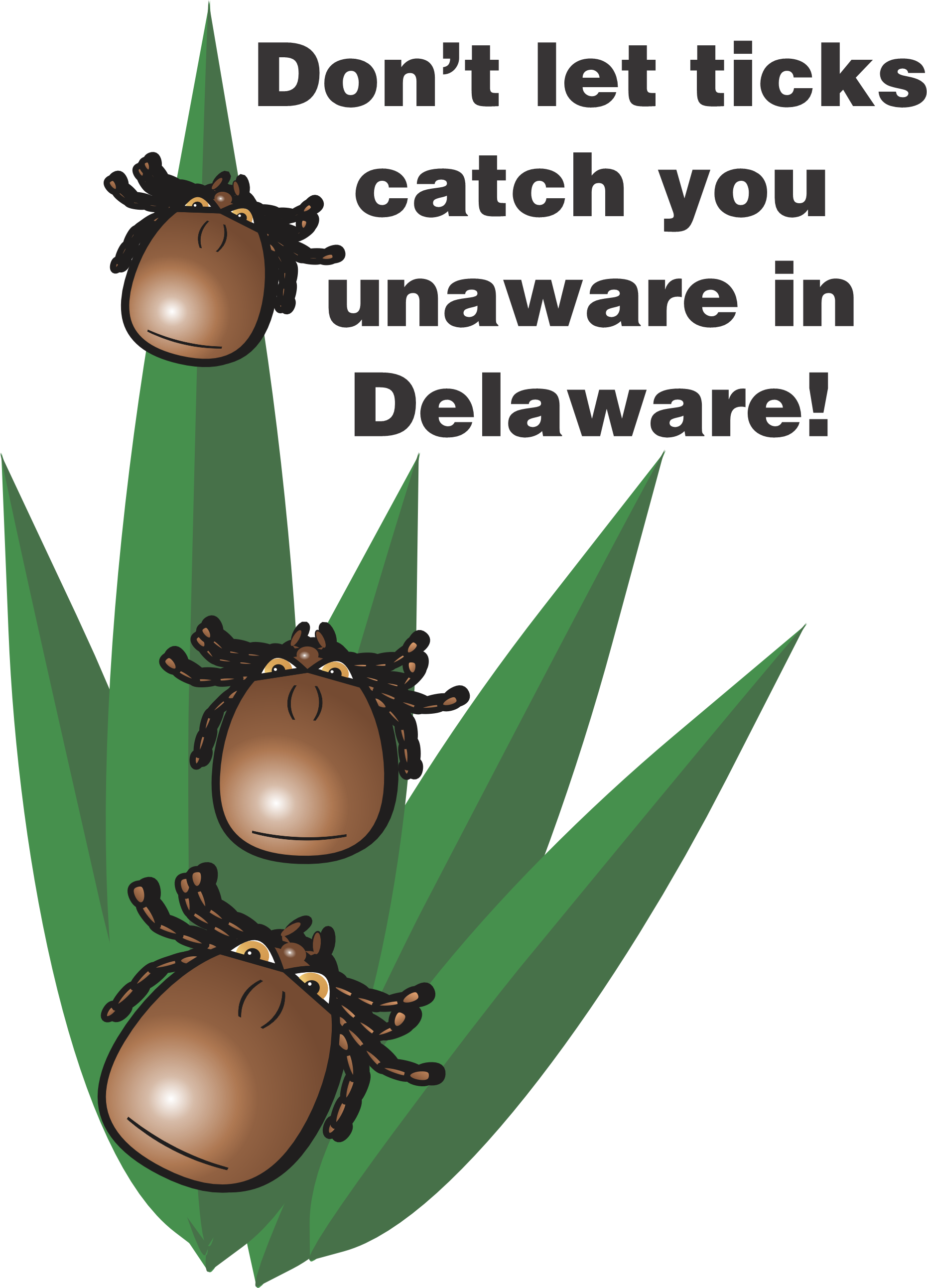
    Delaware Issues Tick Safety Tips as Peak Season Arrives

    DOVER, Del. (June 18, 2025) – June marks the beginning of peak tick season in Delaware. The Delaware Division of Public Health (DPH) and the Department of Natural Resources and Environmental Control (DNREC) remind Delawareans to take proactive steps to protect themselves, their families, and pets this summer.

    With warmer weather increasing outdoor activities, the risk of tick bites and tick-borne illnesses rises significantly. According to the latest Delaware Vector-Borne Disease Surveillance Report from DPH, 344 cases of Lyme disease, the most common tick-borne disease in Delaware, were reported in the state in 2024. Lyme disease is spread by blacklegged ticks (also known as deer ticks) in the Mid-Atlantic region, and symptoms can range from fever and fatigue to severe joint pain and neurological issues if left untreated. In some cases, a rash resembling a bullseye will appear near the site of the bite. Due to an increase in testing reports in the last year Alpha-gal Syndrome (AGS), another tick-borne illness, was made reportable in Delaware beginning December 2024. More than 100 cases of AGS were reported to DPH from June to December 2024.

    The most common tick species in Delaware is the lone star tick. While this species does not carry the bacteria that cause Lyme disease, they can be infected with bacteria that cause yet another tick-borne disease, ehrlichiosis. Lone star ticks are also the main species associated with AGS. Another tick species commonly encountered in Delaware during the summer months is the American dog tick, which can carry bacteria that cause spotted fever rickettsiosis.

    “Earlier this year, the DNREC Tick Program published a study in the Journal of Medical Entomology detailing each tick species that has been reported in Delaware,” said State Tick Biologist Dr. Ashley Kennedy of the DNREC Mosquito Control Section. “The last such report was published in 1945 and there have been a lot of changes since then – new tick introductions and new tick-borne pathogens discovered. Now we know that Delaware is home to at least 15 different tick species, possibly as many as 19 species. With all these changes, tick awareness year-round is more important than ever.”

    To avoid tick bites:

    • Dress smart: When entering wooded or grassy areas, wear long pants, long sleeves, and tuck your pants into socks to minimize exposed skin. Light-colored clothing makes ticks easier to spot.
    • Avoid tick habitats: Avoid walking in tall grass, leaf litter, or in wooded or brushy areas. Walk in the center of trails.
    • Tick repellent: Use insect repellents containing at least 20% DEET*, picaridin, or oil of lemon eucalyptus on your skin and clothing. This simple step creates an extra layer of protection.
    • Tick checks: After enjoying the outdoors, check yourself, your kids, and pets for ticks and immediately take a bath or shower. Ticks like to hide in warm, hidden areas, so inspect armpits, groins, and behind the knees. If you find a tick, remove it promptly using fine-tipped tweezers. Grasp the tick as close to your skin as possible and pull it out gently.
    • Yard care: Keep your yard tick-free by mowing the lawn regularly, removing leaf piles, and creating a buffer zone with gravel or wood chips between your lawn and wooded areas.

    *When applying insect repellents, always follow the instructions on the product’s label, which provides application instructions. It is generally recommended to avoid applying repellents on a child’s face, hands, and areas that may come into contact with eyes or mouth.

    “Defending yourself from ticks is not just about comfort, it’s about health,” said DPH Director Steven Blessing. “By following these simple, effective steps, you can protect yourself and your loved ones from tick bites and tick-borne illnesses, ensuring a safe and enjoyable summer.”

    In case you find a tick on your person, child, or pet

    In case you find a tick on yourself, your child, or your pet, you should remove it as soon as possible and seek medical treatment if you develop a fever, rash, or flu-like symptoms within 30 days of the bite. To dispose of a live tick found on the body, the Centers for Disease Control recommends flushing it down the toilet. Do not crush the tick with your fingers. After removing the tick, thoroughly clean the bite area and your hands with soap and water, rubbing alcohol, or hand sanitizer. If you would like to bring the tick to your health care provider for identification, place it in a sealed container or put it in a capped container of rubbing alcohol. Knowing the type of tick involved in the bite can help determine which diseases you may be at risk for. Additional DNREC guidance is to save ticks in a zip-seal bag in case they are needed for future medical reference. State Tick Biologist Dr. Kennedy also suggests Delawareans take a photo of the tick after it has been removed and include it when submitting a Tick Interaction Report at de.gov/ticks to learn more about the risks associated with a tick encounter. For tick-borne disease information, visit dhss.delaware.gov/dhss/dph/epi/tick.html. Report tick interactions at dnrec.delaware.gov/fish-wildlife/ticks/reporting/.

    # # #

    The Delaware Division of Public Health (DPH), a division of the Delaware Department of Health and Social Services, is a nationally accredited public health agency recognized by the Public Health Accreditation Board for its outstanding dedication to driving change through innovation. DPH is committed to improving the quality of the lives of Delaware’s citizens by promoting health and well-being, fostering self-sufficiency, and protecting vulnerable populations.

    About DNREC The Delaware Department of Natural Resources and Environmental Control protects and manages the state’s natural resources, protects public health, provides outdoor recreational opportunities and educates Delawareans about the environment. For more information, visit the website and connect with @DelawareDNREC on YouTube, Facebook, Instagram, X (formerly known as Twitter) or LinkedIn.

    CONTACT: Laura Matusheski, Media Relations Coordinator
    DPH Email: DPHMedia@delaware.gov

    Michael Globetti, Media Relations Manager, DNREC
    Email: michael.globetti@delaware.gov