



Where can I find it?
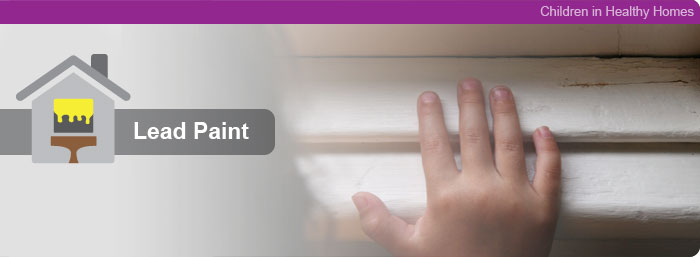
Lead was commonly used in gasoline, plumbing systems, paint and other products until 1978. In paint, the danger is in chips or dust. Most often coming from old radiators or windows, the chips and dust settle on surfaces where children may play. Because children often place their fingers in their mouths, they are most vulnerable to swallowing lead paint dust.
What are the health effects of lead-based paint?
Children with lead poisoning may not show signs of illness. However, even low exposure can result in permanent learning, hearing and behavioral problems, stunted growth and long-lasting brain damage.
What you can do…
Strategies to reduce lead poisoning include:
- Eliminating the source of lead exposure.
- Raising community awareness.
- Clean areas around old doors, windows and radiators frequently. Wet cleaning with a mop, sponge, or paper towel with warm water and a general all-purpose cleaner or a cleaner made specifically for lead is recommended over dry dusting. Dry dusting has the potential to spread contamination and increase the risk of exposure.
- Clean-up after renovation requires additional steps and considerations and should follow US EPA Recommendations.
- Have children wash their hands thoroughly after playing in these areas.
- Identify affected children through screening.
Important Links
- Request Additional Information
- Request Additional Information – [ Text Version ]
- Office of Lead Poisoning Prevention
- Child Lead Testing Information
- Indecent Exposure: