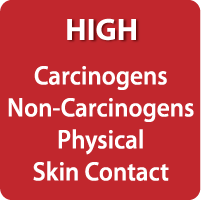



According the the National Institute of Occupational Safety and Health (NIOSH) sanding drywall can expose workers to more than 10 times the OSHA limit for general dust. Add in exposure to chemicals in joint compounds and adhesives and there can be a serious risk for occupational exposure.
Hazards in Drywalling
- CANCER:
- Sanding and finishing can expose workers to silica, which can cause lung cancer.
- Titanium dioxide, a common ingredient in paints, is considered a potential carcinogen.
- Solvents, paints and other products can contain chemicals that are linked to cancer.
- RESPIRATORY PROBLEMS:
- Silicosis – Exposure to silica dust can lead to permanent lung damage
- Asthma – Both the ingredients in paints and the dusts created during renovations can lead to occupational asthma.
- INJURY AND ILLNESS:
- Exposure to lead-based paint can lead to severe physical and psychological problems.
- Potential danger of falls from working at heights on ladders or scaffolding.
- Physical injury from lifting heavy object, such as drywall sheets.
Lowering Your Risk
- EDUCATION:
- Review the MSDS Sheets for the chemicals and products you work with.
- Know the proper procedures for the equipment and materials you use and Follow Them!
- AWARENESS:
- Before removing or renovating drywall, make sure there is no lead-based paint or asbestos present.
DO NOT disturb asbestos or lead-based paint unless you are qualified
Hold regular safety briefings to make sure everyone is aware of potential hazards and solutions.
- PROTECTION:
- Wear the proper Personal Protective Equipment for each activity.
- Handle materials properly to avoid physical injury and chemical exposure.
- Use safety equipment when working at heights.
- Pole sanding instead of hand sanding can lower the exposure to dusts.
Contact the Office of Occupational Health
—–
—–
—–
Delaware Helpline
1-800-464-HELP