


Site Logo Delaware Health and Social Services

    Flu Season Now Underway; Get Vaccinated Today

    DOVER, DE (Oct. 9, 2023)– As the temperatures start to drop and the leaves begin to change, the Delaware Division of Public Health (DPH) marks the start of 2023-2024 influenza (flu) season. Infection with flu can cause mild to severe illness, and sometimes even death. As a possible signal of what we might expect, the U.S. often looks at what Australia and New Zealand experienced in the Southern Hemisphere during their flu season in our summer. This year, the countries had a particularly active flu season. As the spread of RSV and COVID-19 variants continue, and the possibility that an active flu season is ahead, the DPH recommends Delaware residents get their flu vaccines as soon as possible.

    Each year, everyone who is 6 months of age or older should receive a flu vaccination. It is strongly recommended that children under the age of five, older adults, pregnant women and individuals with chronic underlying medical conditions get vaccinated against the flu as soon as possible. Additionally, DPH emphasizes vaccination for those who live or work with infants under six months of age, as well as for those who live or work in congregant settings such as long-term care and correctional facilities.

    Updated 2023-2024 COVID-19 vaccines from Pfizer-BioNTech and Moderna were recently rolled out in response to the emergence of new variants of the COVID-19 virus. DPH wants to let the public know that both the flu and COVID-19 booster shots can be safely administered together. The RSV vaccine is available for people 60 years of age and older, and it can be combined with flu and COVID-19 vaccines. However, the CDC recommends discussing RSV vaccination with your primary care provider to determine if it is appropriate for you and your medical situation. As with COVID-19, DPH will make flu data available on its My Healthy Community data portal on October 10.

    “COVID-19, influenza and RSV are all hitting at the same time this year, making it challenging for everyone,” said DPH Medical Director Dr. Robert Rosenbaum. “Don’t wait until you’re infected with one of these diseases; get vaccinated as soon as possible. The flu is contagious and can cause serious illness and even death, but a flu vaccine can reduce your chance of ending up in the hospital. Getting the flu shot every year is the best line of defense to prevent severe illness from the flu.”

    As antibodies against influenza virus infection can take up to two weeks to develop in the body after vaccination, it is vital to get vaccinated as soon as possible. People who get the flu vaccine now will also be protected throughout the entire flu season. Find information about the flu and where to get it at flu.delaware.gov.

    Pharmacies (including those within grocery stores) as well as participating medical provider offices, Federally Qualified Health Centers (for their patients) and Division of Public Health clinics are all offering flu vaccines. DPH provides flu vaccines at locations where DPH mobile units also provide health care.

    Symptoms of flu include fever, cough, sore throat, runny or stuffy nose, headaches, body aches, chills and fatigue. COVID-19 and the flu share some signs and symptoms, including fever, cough, sore throat, shortness of breath, a runny or stuffy nose, headaches, and body aches, chills and fatigue. You can determine which illness you have with the help of testing. Flu vaccination is strongly recommended for children, older adults, and those with chronic underlying medical conditions. When sick with the flu, people should remain at home and not return to work, school, or other gatherings until they are fever-free– without fever-reducing medications– for at least 24 hours.

    In addition, people with flu symptoms should avoid close contact with others in their household and stay well-hydrated by drinking plenty of water and other clear liquids. While over-the-counter medications can relieve symptoms, your doctor may prescribe antiviral medications to hasten recovery and prevent serious complications if you suspect you have influenza. In cases of acute illness, pregnancy, or chronic medical conditions, it is particularly important to contact your primary care provider.

    Remember the four key ways to keep respiratory illnesses in check this season:

    • Get vaccinated for COVID, flu, and RSV if eligible,
    • Stay home if you’re sick to keep others safe,
    • Seek treatment if you test positive for any of the illnesses, and
    • Consider wearing a mask if you or someone close to you is at higher risk of illness.

    DPH will again share flu-related messaging through radio, print and social media messaging and distribute a toolkit to schools, community-based organizations and medical providers to help encourage flu vaccination through their networks.

    For more information about the flu and where to get vaccinated, visit flu.delaware.gov or call 1-800-282-8672.

    Flu Season

    The Delaware Division of Public Health (DPH), a division of the Delaware Department of Health and Social Services, is a nationally accredited public health agency recognized by the Public Health Accreditation Board for its outstanding dedication to driving change through innovation

    Anyone who is deaf, hard of hearing, Deaf-Blind or speech disabled can contact DPH by dialing 711 first using specialized devices (i.e. TTY, TeleBraille, voice devices). The 711 service is free and to learn more about how it works, please visit delawarerelay.com.

    Delaware Health and Social Services is committed to improving the quality of the lives of Delaware’s citizens by promoting health and well-being, fostering self-sufficiency, and protecting vulnerable populations.
    Experts Warn Of Potential Increase In Illicit Drug Use Amid Shortage Of Prescription Stimulants

    DOVER, DE (Oct. 2, 2023)– Amidst a shortage of prescription stimulants, concerns have been raised about the potential increase in illicit drug use. With many individuals relying on prescription stimulants to manage conditions such as attention-deficit/hyperactivity disorder (ADHD), the shortage has left many struggling to access the medication they need. This has led some individuals to turn to illicit drugs as an alternative, which can have serious health consequences.

    The shortage of prescription stimulants has been attributed to a variety of factors, including supply chain disruptions in the fall of 2022 and increased prescribing and dispensing. Due to the shortage, it is essential that stimulants be prescribed responsibly. Prescribers should assess the risk of misuse, abuse and addiction prior to prescribing stimulant medication. To prescribe stimulant medications, providers must follow Diagnostic and Statistical Manual of Mental Disorders (DSM-5) criteria to confirm ADHD diagnosis. Prescribers must cross-reference prescription information with information available in state-run prescription drug monitoring programs (PDMPs), as well as limit the number of pills and frequency of pills prescribed. Patients and their family members should be educated on how to safely store and dispose of prescription stimulants and the potential risks of misuse, addiction and overdose.

    It is important for providers to be aware that there is a greater risk of diversion when prescription stimulants are scarce. Approximately 56-80% of the population reported that stimulants were obtained from friends or family members. The most vulnerable population for nonmedical use of prescription stimulants was the 18-25 age group, and reported misuse of stimulants was for improving academic or work performance, followed by recreational or social use.

    These drugs are easily accessible through the internet and social media, posing as prescription drugs such as Adderall and Xanax. Those websites are targeted at youth at risk of diversion, misuse and shortages. According to a report published by the Centers for Disease Control in December 2022, overdose deaths among youth aged 14-19 increased significantly from 2019 to 2021. Over 25% of the deaths were caused by counterfeit pills, which mimicked prescription medications but contained deadly fentanyl.

    Illicit drugs can have a range of negative effects on both physical and mental health and can lead to addiction and overdose. Over 50.6 million fake pills were seized by the Drug Enforcement Administration in 2022. There was a potentially lethal dose of fentanyl in six out of 10 pills containing the drug. In Delaware, 85% of the 537 overdose deaths involved fentanyl. The number of overdose deaths caused by illicit stimulants is also on the rise. Last year, 44% of overdose deaths contained cocaine and 12% methamphetamine.

    It is important to screen patients for stimulant use disorders. To find more information on screening and assessment go to HelpIsHereDE.com//health-care-providers.

    It is crucial for individuals to prioritize their health and safety by seeking out alternative treatments or working with their healthcare provider to find a solution. For free 24/7 counseling, coaching, and support, as well as links to mental health, addiction, and crisis services call the Delaware Hope Line at 1-833-9-HOPEDE. To search for treatment and recovery services in Delaware or nearby states, visit HelpIsHereDE.com.

    The Delaware Division of Public Health (DPH), a division of the Delaware Department of Health and Social Services, is a nationally accredited public health agency recognized by the Public Health Accreditation Board for its outstanding dedication to driving change through innovation

    Anyone who is deaf, hard of hearing, Deaf-Blind or speech disabled can contact DPH by dialing 711 first using specialized devices (i.e. TTY, TeleBraille, voice devices). The 711 service is free and to learn more about how it works, please visit delawarerelay.com.

    Delaware Health and Social Services is committed to improving the quality of the lives of Delaware’s citizens by promoting health and well-being, fostering self-sufficiency, and protecting vulnerable populations.
    DPH Announces Annual Celebration Event For #Myreasonwhyde

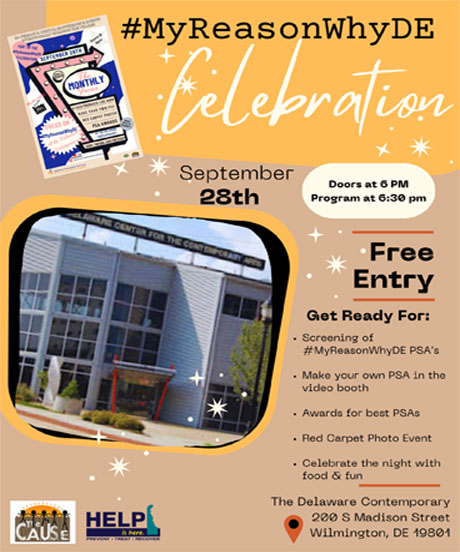
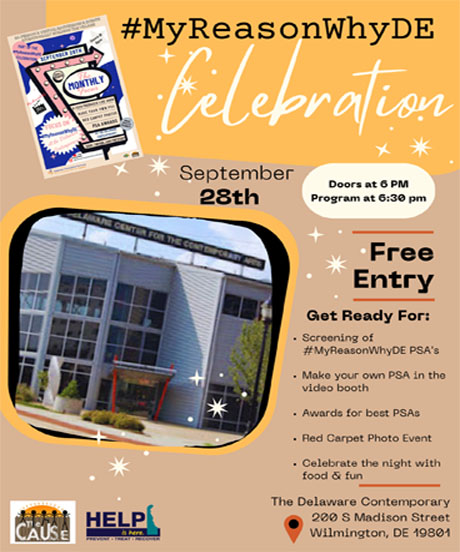
    DOVER, DE (Sept. 27, 2023)– The Division of Public Health (DPH) is announcing their youth-led #MyReasonWhyDE annual celebration. The public is cordially invited to attend this annual celebration on Thursday, September 28, 2023 at the Delaware Contemporary, located at 200 S. Madison St. in Wilmington. Doors open at 6 P.M.; event starts at 6:30 P.M.

    The #MyReasonWhy campaign is part of DPH’s long-term strategy to work with partner organizations in the community and state, such as school systems, to promote resilience and positive messaging. The campaign asks Delaware youth to make short Public Service Announcement (PSA) videos that promote the positive aspects of their lives that keep them happy, healthy and drug-free engaged citizens.

    This red carpet event will include:

    • A screening of dozens of Delaware youth-created PSAs
    • A chance to film your own #MyReasonWhyDE PSA in the video booth
    • Pictures on the red carpet
    • Special recognition for outstanding #MyReasonWhyDE partners

    Come out and enjoy an evening that promotes personal advocacy to make the world a safer place! There will be free food for the first 50 guests. Groups are welcome.

    #MyReasonWhy is a community collective PSA campaign, a prevention tool and a peer-to-peer messaging program all mixed into one. #MyReasonWhy participants are led to identify their own protective factors, balance those factors against the risk of substance abuse and then learn to activate their power of influence by creating peer-to-peer personal PSA videos, proclaiming their “Reason Why” they choose not to use drugs, that can then be shared to inspire others through social media. For more information, visit www.MyReasonWhyDE.com.

    MRV Celebration Flyer

    If you or a loved one is struggling with addiction in Delaware, call DHSS’ 24/7 Crisis Hotline to be connected to treatment and recovery options. In New Castle County, call 1-800-652-2929. Or in Kent and Sussex counties, call 1-800-345-6785. For free 24/7 counseling, coaching, and support, as well as links to mental health, addiction, and crisis services call the Delaware Hope Line at 833-9-HOPEDE. To search online for treatment and recovery services in Delaware or nearby states, visit HelpIsHereDE.com.

    The Delaware Division of Public Health (DPH), a division of the Delaware Department of Health and Social Services, is a nationally accredited public health agency recognized by the Public Health Accreditation Board for its outstanding dedication to driving change through innovation.

    Anyone who is deaf, hard of hearing, Deaf-Blind or speech disabled can contact DPH by dialing 711 first using specialized devices (i.e. TTY, TeleBraille, voice devices). The 711 service is free and to learn more about how it works, please visit delawarerelay.com.

    Delaware Health and Social Services is committed to improving the quality of the lives of Delaware’s citizens by promoting health and well-being, fostering self-sufficiency, and protecting vulnerable populations.
    Hrsa Visits Dhss To Review Substance Use Disorder Prevention Work

    DOVER, DE (Sept. 27, 2023)– The Health Resources and Services Administration (HRSA) of the U.S. Department of Health and Human Services was in Delaware on August 31, 2023, to review the innovative substance use disorder prevention work that the Department of Health and Human Services is conducting in Sussex County, Delaware.

    The Division of Forensic Science reported that 537 people died of a drug overdose in Delaware in 2022. This is a 4% increase from 2021. However, Sussex County had the highest percent increase of drug overdoses during this time at 23%. All communities particularly rural communities within Sussex County have unique barriers that make it even more challenging for those who struggle with substance use disorder (SUD). In Sussex County, there is a lack of both treatment facilities and providers for individuals with SUD, fewer prevention programs available, significant limitations for reliable and timely transportation to appointments and follow-ups, language barriers, and stigma around those with SUD.

    In response to the increasing overdoses in Sussex County and gaps in services, the Division of Public Health (DPH) created Delaware’s Rural Health Subcommittee of the Overdose System of Care utilizing a HRSA Rural Communities Opioid Response Program (RCORP) Planning Grant. In 2021, the DPH was awarded a follow-up three-year $1,000,000 funding opportunity from HRSA to implement the plans created by the subcommittee to address the specific challenges that Sussex County has faced with substance use disorder prevention and treatment. Additionally, in 2022, HRSA awarded the Division of Substance Abuse and Mental Health (DSAMH) the RCORP Behavioral Health Support Grant which is a four-year $2,000,000 funding opportunity to strengthen mental health and substance use disorder engagement in communities in Sussex County.

    Since these awards have been issued, progress has been made towards reducing SUD stigma, removing transportation and language barriers, increasing substance use disorder services such as buprenorphine inductions and sustained treatment, and working with law enforcement on diversion programs for those arrested for drug use. The department’s relationships with the Delaware Libraries have promoted service availability and increased utilization of health services. HRSA’s visit demonstrates the success of these programs and the continued plans to invest in behavioral health services in rural communities.

    If you or a loved one is struggling with addiction in Delaware, call DHSS’ 24/7 Crisis Hotline to be connected to treatment and recovery options. In New Castle County, call 1-800-652-2929. Or in Kent and Sussex counties, call 1-800-345-6785. For free 24/7 counseling, coaching, and support, as well as links to mental health, addiction, and crisis services call the Delaware Hope Line at 833-9-HOPEDE. To search online for treatment and recovery services in Delaware or nearby states, visit HelpIsHereDE.com.

    Health Accreditation Board for its outstanding dedication to driving change through innovation. DPH is committed to improving the quality of the lives of Delaware’s citizens by promoting health and well-being, fostering self-sufficiency, and protecting vulnerable populations.”¯

    Anyone who is deaf, hard of hearing, Deaf-Blind or speech disabled can contact DPH by dialing 711 first using specialized devices (i.e. TTY, TeleBraille, voice devices). The 711 service is free and to learn more about how it works, please visit delawarerelay.com.

    Delaware Health and Social Services is committed to improving the quality of the lives of Delaware’s citizens by promoting health and well-being, fostering self-sufficiency, and protecting vulnerable populations.

    Prevent Injury And Disability From Falls

    DOVER, DE (Sept. 18, 2023) – Broken bones, head injuries and temporary or permanent disabilities can result from falls. The Delaware Coalition for Injury Prevention’s Falls Prevention Team encourages Delawareans to prevent such mishaps.

    Governor John Carney and Lieutenant Governor Bethany Hall-Long proclaimed September 18-22, 2023 as Falls Prevention Awareness Week in accordance with the nationally recognized observance.

    “It’s important that we look out for our neighbors and create communities that are safe for Delawareans of all ages,” said Governor Carney. “We can take steps to reduce the risk of falling in public spaces by repairing sidewalks, installing curb cuts and ramp access, and removing hazards from walkways. I want to thank DHSS and the Delaware Coalition for Injury Prevention for their efforts to keep our seniors safe.”

    Falls occur among persons of all ages, though young children and seniors are most at risk for fall-related traumatic brain injuries in the United States. Traumatic brain injuries lead to major life changes for individuals and their families. In the U.S., falls are the leading cause of trauma-related hospitalizations among adults aged 65 and older, according to the Centers for Disease Control and Prevention (CDC). Falls are the most common cause of traumatic brain injuries for older adults and young children and cause over 95% of hip fractures in the United States.

    In Delaware in 2022, there were 2,954 falls among individuals aged 65 and older, and 568 of them resulted in a head injury, according to the Division of Public Health.

    “A fall can change the course of someone’s life, impacting mobility, functionality and independence,” said Lt. Governor Hall-Long, PhD, RN.

    “But no matter your age, there are steps you can take to stay safe and healthy. As a nurse, I know that balance classes are a great resource to increase coordination, balance, strength and flexibility. Thank you to Delaware Coalition for Injury Prevention’s Falls Prevention Team for shedding light on this important topic and sharing the steps we all can take– businesses, organizations, churches and schools– to make our communities and ourselves safe.”

    A Matter of Balance classes are held in communities throughout the state. Call Volunteer Delaware 50+ at 302-515-3020 or Bayhealth at 302-744-7135 for a schedule. ChristianaCare offers BingoCize, an evidence-based fall prevention program integrating Bingo and exercise, and the ThinkFirst to Prevent Falls program, which addresses home modifications, medications, balance, healthy eating and other strategies to prevent falls. These classes are available in person and virtually at no cost. To schedule these programs and obtain more information, contact injuryprevention@christianacare.org

    On September 21 from 9:00 a.m. to 12:00 p.m., the Falls Prevention Team will join the University of Delaware Physical Therapy Department at the Mid-County Center Health Fair. They will conduct fall prevention screenings and wheelchair, cane, and rolling walker checks, and share falls prevention awareness resources. The center is located at First Regiment Rd., Sherwood Park II, Wilmington Delaware, 19808. For more information about the health fair, visit https://midcountyseniorcenter.org/ or write to info@midcountyseniorcenter.org.

    Adults of all ages should visit their health care provider annually to review medications and physical activity levels, and to get a falls risk assessment. Adults, especially seniors and those using wheelchairs and walkers, should have annual vision and hearing exams to reduce their risk of falling. If canes and walkers are currently used, the provider can ensure their proper fit.

    Adopting healthy behaviors is especially important. Eating nutritious foods and beverages, staying hydrated, exercising regularly and getting appropriate sleep all contribute to maintaining a healthy body and reducing falls risk. In addition, wear shoes in good condition with proper fit, tread and support to aid in ambulation. Individuals at risk of falls should wear shoes that fit around their feet with no open backs to avoid falling out of them.

    At home, keep homes, yards, and public areas clutter-free to reduce tripping hazards. Install grab bars in key areas such as stairs and bathrooms. Use motion-activated night lights and keep walkways and parking areas well lit. Do not let pets get underfoot; teach them basic commands like “sit” and “stay.”

    Businesses, organizations, churches and schools can reduce falls with these steps:

    • Maintain walkways to ensure a smooth surface without crumbling or splintered surfaces. Remove snow, ice, rain, wet moss, leaves, oil, and other slippery conditions.
    • Have walkways include curb cuts, ramps, and slopes that meet state and local safety codes and the guidelines provided by the Americans with Disabilities Act. Curb cuts, tactile surface pavers, slopes, contrasting colors, and other universal design elements benefit everyone, especially individuals with disabilities who use walkers and wheelchairs, those pushing strollers, and those who cannot see well or easily lift their feet onto the curb.

      • Provide designated parking for people with mobility challenges.

    • Install handrails, ramps, and automatic doors and keep them free of hazards.
    • Use entrance mats with flat and secured edges that do not curl up. Absorbent floor mats catch rain and snow at entrances and spilled drinks at food establishments.

    To learn more about falls and falls prevention, refer to the CDC’s Stopping Elderly Accidents, Deaths and Injuries (STEADI) program at https://www.cdc.gov/steadi/index.html and the National Council on Aging at https://www.ncoa.org/page/falls-prevention-awareness-week-toolkit.

    For falls data, visit the Delaware Trauma System Registry at https://www.ncoa.org/page/falls-prevention-awareness-week-toolkit.

    The Delaware Division of Public Health (DPH), a division of the Delaware Department of Health and Social Services, is a nationally accredited public health agency recognized by the Public Health Accreditation Board for its outstanding dedication to driving change through innovation. DPH is committed to improving the quality of the lives of Delaware’s citizens by promoting health and well-being, fostering self-sufficiency, and protecting vulnerable populations.

    Anyone who is deaf, hard of hearing, Deaf-Blind, or speech-disabled can contact DPH by first dialing 711 using specialized devices (i.e., TTY, TeleBraille, voice devices). The 711 service is free; to learn more about how it works, visit delawarerelay.com.

    Delaware Health and Social Services is committed to improving the quality of the lives of Delaware’s citizens by promoting health and well-being, fostering self-sufficiency, and protecting vulnerable populations.

    Updated Covid-19 Vaccines Recommended For Everyone 6 Months And Older, Availability Expected In Delaware Within Next Week

    DOVER, Del. (Sept. 15, 2023)– This week, the Centers for Disease Control and Prevention (CDC) issued the recommendation that everyone 6 months and older get an updated COVID-19 vaccine to protect against the potentially serious outcomes of COVID-19 illness this fall and winter. The recommendation follows the Food and Drug Administration’s (FDA) action approving and authorizing for emergency use updated COVID-19 vaccines from Pfizer/BioNTech and Moderna formulated to more closely target currently circulating variants. Per the CDC, vaccination remains the best protection against COVID-19-related hospitalization and death and reduces the chance of suffering from Long COVID. Anyone who has yet to receive any type of COVID-19 vaccination and those whose last dose of any COVID-19 vaccine was over two months ago may receive the updated doses when they become available in the coming days.

    The updated COVID-19 vaccines will soon be available at pharmacies, health care providers, state public health clinics, federally qualified health centers, and other facilities. Vaccination will be available free for everyone through one of three methods. Those covered under most private or government insurance plans can receive the vaccine at various pharmacies or providers throughout the state with the cost fully covered by insurance. For those who are uninsured or underinsured, vaccinations will be available at federally qualified health centers (FQHCs), public health clinics, local pharmacies, and certain providers via the State of Delaware’s Immunization Program and at Walgreens, CVS and pharmacies affiliated with the ETrueNorth pharmacy network through the federal government’s Bridge Access Program. Additionally, children who currently participate in the CDC’s Vaccines for Children Program will also be able to receive free COVID-19 updated vaccines where they receive their routine vaccinations. A full listing of vaccine locations will be posted on www.vaccines.gov as they become available.

    The FDA has outlined the following brief guidelines for the updated COVID-19 vaccines to simplify the questions regarding whom should receive the vaccine and when:

    • Individuals 5 years of age and older regardless of previous vaccination are eligible to receive a single dose of an updated mRNA COVID-19 vaccine at least 2 months since the last dose of any COVID-19 vaccine.
    • Individuals 6 months through 4 years of age who have previously been vaccinated against COVID-19 are eligible to receive one or two doses of an updated mRNA COVID-19 vaccine (timing and number of doses to administer depends on the previous COVID-19 vaccine received).
    • Unvaccinated individuals 6 months through 4 years of age are eligible to receive three doses of the updated authorized Pfizer-BioNTech COVID-19 Vaccine or two doses of the updated authorized Moderna COVID-19 Vaccine.

    As we approach the fall and winter seasons, the Division of Public Health (DPH) reminds everyone to take the appropriate measures to protect themselves and those around them from all respiratory illnesses including RSV and flu. To learn more about all available vaccines for your age group and health conditions and the appropriate timing and recommendations, please consult your healthcare provider or visit a public health clinic.

    The four general guidelines for staying safe this fall and winter include:

    1. Get vaccinated when eligible for any and all illnesses where available and recommended by a provider.
    2. Stay home if sick with any illness. Get tested if you have COVID-19 symptoms or were exposed to someone with COVID-19.
    3. Inquire about treatment for COVID-19 or other illnesses if you are sick.
    4. Consider wearing a mask in crowded indoor places, as cases rise, or if you or a family member are at higher risk for serious illness.

    To learn more, visit de.gov/coronavirus and de.gov/covidvaccine.

    The Delaware Division of Public Health (DPH), a division of the Delaware Department of Health and Social Services, is a nationally accredited public health agency recognized by the Public Health Accreditation Board for its outstanding dedication to driving change through innovation.

    Anyone who is deaf, hard of hearing, Deaf-Blind or speech disabled can contact DPH by dialing 711 first using specialized devices (i.e. TTY, TeleBraille, voice devices). The 711 service is free and to learn more about how it works, please visit delawarerelay.com.

    Delaware Health and Social Services is committed to improving the quality of the lives of Delaware’s citizens by promoting health and well-being, fostering self-sufficiency, and protecting vulnerable populations.

    Three Human Cases Of West Nile Virus Are Identified In New Castle County, Marking Delaware’s First Cases Of The Year

    DOVER, DE (Sept. 12, 2023)– The Delaware Public Health Laboratory (DPHL) has identified this year’s first human cases of West Nile Virus (WNV) in three men 50 years of age and older, all of whom reside in New Castle County. All three individuals who contracted WNV were hospitalized due to infection from the mosquito-borne illness. At this time, it appears that each WNV victim is likely to have contracted the disease locally, but a public health investigation is ongoing, the Delaware Division of Public Health (DPH) announced today.

    In response to the human WNV cases discovered this month, the DPH and Delaware Department of Natural Resources and Environmental Control (DNREC) will increase mosquito population surveillance efforts in the vicinity of the infected individuals’ residences. Dependent on further findings, DNREC’s Mosquito Control Section in partnership with DPH may also conduct local control operations to try and prevent further WNV human transmissions. The agencies also note that the occurrence of the state’s three human cases coincides with an increase in WNV activity in the Mosquito Control Section’s sentinel chicken monitoring program, with the uptick in infected chickens typical for this time of year.

    WNV is a mosquito-borne illness that can cause serious health problems. WNV is transmitted by mosquitoes, generally in summer and fall, with a peak period for disease transmissions from mid-August to mid-October. Nearly 80 percent or four in five people infected with WNV will not become ill. While only a little less than 20 percent of those infected with the virus will develop West Nile fever with mild symptoms (fever, headache, body aches, a skin rash on the chest or back and swollen lymph glands), one in 150 people infected will develop severe infection (West Nile encephalitis or meningitis).

    Symptoms of severe WNV infection include headache, high fever, stiff neck, and/or tremors and muscle weakness. The elderly and those with weakened immune systems are most at risk. Anyone who experiences any of these severe symptoms should seek medical help immediately. Symptoms may progress to stupor, disorientation, coma, convulsions, paralysis and possibly death.

    The mosquitoes that cause WNV bite primarily from dusk (evening) to dawn (morning). However, other mosquitoes that transmit diseases such as chikungunya, dengue fever and Zika can bite during the day. Applying insect repellent for personal protection is important whenever going outdoors. Wearing light-colored, long-sleeved shirts and pants is also recommended as a deterrent against mosquito bites. DPH and the DNREC Mosquito Control Section also advise reducing outdoor activities that can cause heavy breathing or excessive perspiration, not wearing perfumes or colognes, and using mosquito repellents that may contain the ingredients DEET or Picaridin in accordance with product label instructions. Additionally, Delaware residents and landowners should eliminate an unneeded standing water on their property that might exist for four or more consecutive days and that acts as mosquito breeding habitat.

    To report suspected cases of human WNV, call the Division of Public Health Office of Infectious Disease Epidemiology toll-free at 888-295-5156.

    For information on mosquito control operations in Delaware, including contact information to request residential control service for biting mosquitoes, visit https://dnrec.alpha.delaware.gov/fish-wildlife/mosquito-control/.

    For more information on West Nile Virus, visit https://dhss.delaware.gov/DPH/epi/wnv.html.

    For more information on what you can do to prevent West Nile Virus, visit the Centers For Disease Control and Prevention’s website, www.cdc.gov/westnile/prevention/index.html.

    The Delaware Division of Public Health (DPH), a division of the Delaware Department of Health and Social Services, is a nationally accredited public health agency recognized by the Public Health Accreditation Board for its outstanding dedication to driving change through innovation.

    Anyone who is deaf, hard of hearing, Deaf-Blind or speech disabled can contact DPH by dialing 711 first using specialized devices (i.e. TTY, TeleBraille, voice devices). The 711 service is free and to learn more about how it works, please visit delawarerelay.com.

    About DNREC

    The Delaware Department of Natural Resources and Environmental Control protects and manages the state’s natural resources, protects public health, provides outdoor recreational opportunities and educates Delawareans about the environment. For more information, visit the website and connect with @DelawareDNREC on Facebook, Instagram, Twitter or LinkedIn.

    Delaware Health and Social Services is committed to improving the quality of the lives of Delaware’s citizens by promoting health and well-being, fostering self-sufficiency, and protecting vulnerable populations.

    First Positive Case Of Covid-19 Variant Ba.2.86 Identified In Delaware

    DOVER, Del. (Sept. 5, 2023)– The Delaware Public Health Laboratory (DPHL) has identified a case of SARS-CoV-2 lineage BA.2.86 from a specimen provided to the laboratory for testing. This is the first case of BA.2.86 detected in Delaware, currently classified as a Variant Being Monitored (VBM) by the SARS-CoV-2 Interagency Group (SIG). The case was detected in a Pennsylvania resident seen at a Delaware Hospital. The Centers for Disease Control and Prevention (CDC) is publishing weekly updates on this new variant including current risk assessment and scientific analysis on its website: https://www.cdc.gov/respiratory-viruses/whats-new/covid-19-variant-update-2023-08-30.html.

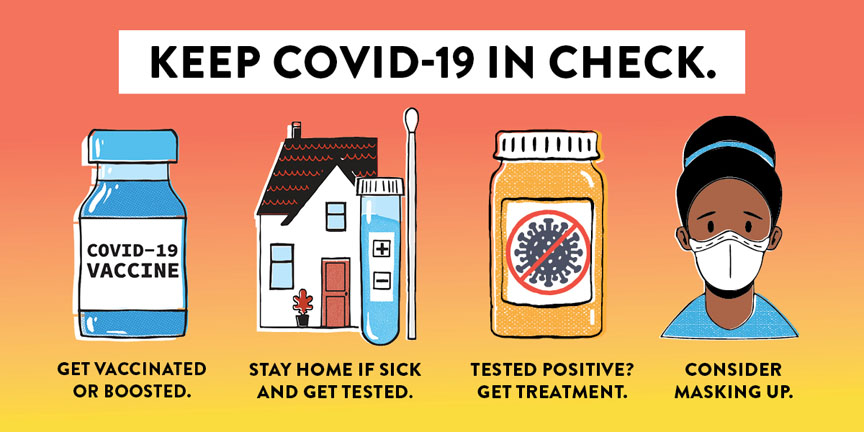
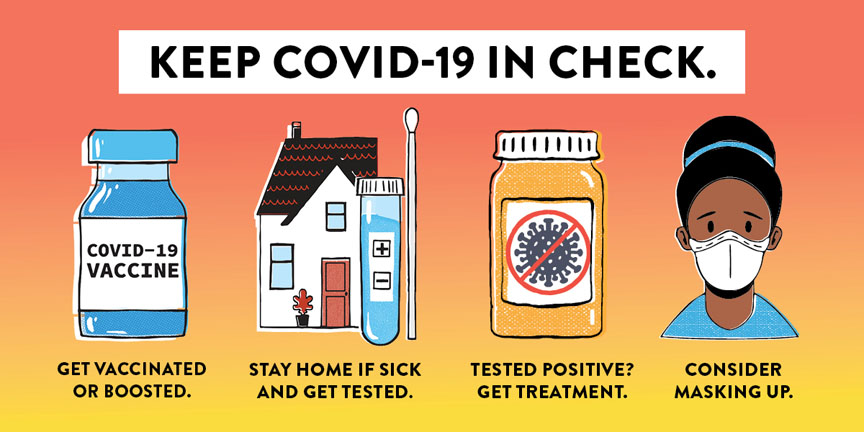
    These latest developments are a reminder that while the Public Health Emergency (PHE) for COVID-19 has ended, COVID-19 is not over. An updated COVID-19 vaccine, designed to protect against the newly circulating variants, will be available later this month pending final approvals, and more details will be forthcoming. The Division of Public Health reminds everyone to follow the appropriate strategies to keep COVID-19 in check:

    • Get vaccinated or boosted when eligible (Talk to your health care provider or visit a public health clinic to discuss what is best for your individual situation).
    • Stay home if sick and get tested if you have symptoms or were exposed to someone with COVID-19.
    • If you test positive, inquire about treatment.
    • Wear a mask in crowded indoor spaces, as cases rise, or if you or someone you know is at higher risk for illness.

    To learn about vaccine and test availability, isolation guidelines, and more, please visit de.gov/coronavirus.

    Covid Preparedness

    The Delaware Division of Public Health (DPH), a division of the Delaware Department of Health and Social Services, is a nationally accredited public health agency recognized by the Public Health Accreditation Board for its outstanding dedication to driving change through innovation.

    Anyone who is deaf, hard of hearing, Deaf-Blind or speech disabled can contact DPH by dialing 711 first using specialized devices (i.e. TTY, TeleBraille, voice devices). The 711 service is free and to learn more about how it works, please visit delawarerelay.com.

    Delaware Health and Social Services is committed to improving the quality of the lives of Delaware’s citizens by promoting health and well-being, fostering self-sufficiency, and protecting vulnerable populations.

    DPH Launches New Financial Aid Program For Private Well Owners, Offers Free Water Testing Kits To Delaware Residents

    DOVER, Del. (Aug. 31, 2023)– The Delaware Division of Public Health (DPH) recently announced a new financial assistance program for homeowners who receive their drinking water from private wells. The program is operated by the agency’s Health Systems Protection section.

    Starting Sept. 1, 2023, Delawareans can now receive free test kits for their primary residence in the state, which were previously available for $4 per kit. The test kits cover a standard range of bacteria and chemicals that may be present in drinking water.

    A Bacteria Kit tests for the following:

    • Total coliforms
    • E. coli

    A Chemical Kit tests for the following:

    • Alkalinity
    • Chloride
    • Fluoride
    • Hardness
    • Iron
    • Nitrate
    • Nitrite
    • pH
    • Sodium
    • Sulfate

    The Division of Public Health reminds residents that water quality standards for private wells are not regulated by the federal or state government, and they are the responsibility of the homeowner. For more information on primary and secondary contaminants covered by the Safe Drinking Water Act, and their health impacts, visit: https://www.epa.gov/sites/default/files/2016-06/documents/npwdr_complete_table.pdf

    Drinking water test kits can be picked up at four locations in the state:

    New Castle County

    • Environmental Health Field Services

      258 Chapman Road, Newark, DE 19702

      302-283-7110

    • Delaware Public Health Laboratory

      30 Sunnyside Road, Smyrna, DE 19977

      302-223-1520

    Kent County

    • Environmental Health Field Services

      Thomas Collins Building, Suite 5, Dover, DE 19901

      302-744-1220

    Sussex County

    • Environmental Health Field Services

      Thurman Adams State Service Center, Suite 1700

      544 S. Bedford St, Georgetown, DE 19947

      302-515-3300

    Individuals will be eligible to apply for the new financial assistance program if their water quality test results obtained from the laboratory contain excessive amounts in any of the following areas:

    • Total coliforms
    • E. coli
    • Fluoride
    • Nitrate
    • Nitrite
    • Sodium*

    *

    If individuals are at risk and on severely salt-restricted diets.

    To participate in the program, individuals must complete the application form and provide proof of enrollment in other State or Federal assistance programs such as SNAP, WIC, Supplemental Security Income, LIHEAP or Temporary Assistance for Needy Families (TANF).

    Once applications have been reviewed and approved, third-party vendors will select the appropriate treatment methods based on sample results. A treatment system, installation and the first year of maintenance will be covered by the program. Homeowners and tenants with landlord approval/sign-off can apply for the program.

    This program is funded through the State of Delaware’s Fiscal Year 2023 capital budget (Bond Bill) and has a budget of $200,000. It will operate on a first-come, first-served basis until funds expire or additional funding is secured for the program.

    For more information about the new program, email DHSS_DPH_PrivateWell@delaware.gov or call 302-744-4546 Option 9.

    The Delaware Division of Public Health (DPH), a division of the Delaware Department of Health and Social Services, is a nationally accredited public health agency recognized by the Public Health Accreditation Board for its outstanding dedication to driving change through innovation.

    Anyone who is deaf, hard of hearing, Deaf-Blind or speech disabled can contact DPH by dialing 711 first using specialized devices (i.e. TTY, TeleBraille, voice devices). The 711 service is free and to learn more about how it works, please visit delawarerelay.com.

    Delaware Health and Social Services is committed to improving the quality of the lives of Delaware’s citizens by promoting health and well-being, fostering self-sufficiency, and protecting vulnerable populations.

    DPH’S Office Of Animal Welfare Announces 2 Arrests In Connection With Lewes Dog Cruelty Case; 14 More Dogs Rescued

    DOVER, Del. (August 28, 2023)– Delaware Animal Services (DAS), the enforcement unit within the Office of Animal Welfare, announces the arrest of a man and a woman involved in an animal cruelty case.

    On Aug. 25, 2023, Delaware State Police (DSP) Troop 7 received a tip from a concerned citizen that Dillon Hensey, age 32, and his wife, Chelsie Puckett, age 33, were seen in the parking lot of 19791 Coastal Hwy Rehoboth Beach, Del. DSP responded to the area and located Hensey and Puckett parked in their SUV. Delaware Animal Services responded to assist with the arrest. Upon arrival, animal welfare officers found 14 more dogs living in the couple’s SUV. The vehicle was full of trash, feces and debris. The 14 dogs were seized by animal welfare officers and transported to Brandywine Valley SPCA (BVSPCA) for care.

    Hensey was taken into custody for the outstanding animal cruelty charges, while Puckett was taken into custody on unrelated charges. Both were arraigned at Troop 7 on August 25. The couple is prohibited from owning or possessing animals pending outcome of the case.

    • Hensey has been charged with 29 counts of misdemeanor animal cruelty and was released on $14,500 unsecured bond.
    • Puckett was charged with 14 counts of misdemeanor animal cruelty and was released on $7,000 unsecured bond.

    Hensey was wanted for abandoning 34 small breed dogs in deplorable conditions in a Lewes home in early August. He failed to turn himself in to DAS enforcement officers on multiple occasions.

    The 34 dogs that were seized on Aug. 8 were turned over to BVSPCA’s care. Thirty of the 34 dogs have been adopted and are now in loving homes, and four are in foster care. BVSPCA hopes to make some of the 14 dogs seized last week available for adoption as soon as Wednesday.

    The Office of Animal Welfare thanks the public for their tips as well as Delaware State Police for their cooperation with locating the suspects in this case.

    Animal Cruelty Complaints

    Cruelty and neglect of animals is against the law (delcode.delaware.gov/title16/c030f/index.html). If you are concerned about an animal’s welfare and suspect cruelty or neglect, contact OAW’s Delaware Animal Services section immediately at 302-255-4646 or report online at animalservices.delaware.gov/report_violation/25

    Dillon HenseyChelsie Puckett

    The Delaware Division of Public Health (DPH), a division of the Delaware Department of Health and Social Services, is a nationally accredited public health agency recognized by the Public Health Accreditation Board for its outstanding dedication to driving change through innovation.

    Anyone who is deaf, hard of hearing, Deaf-Blind or speech disabled can contact DPH by dialing 711 first using specialized devices (i.e. TTY, TeleBraille, voice devices). The 711 service is free and to learn more about how it works, please visit delawarerelay.com.

    Delaware Health and Social Services is committed to improving the quality of the lives of Delaware’s citizens by promoting health and well-being, fostering self-sufficiency, and protecting vulnerable populations.