

Site Logo Delaware Health and Social Services

    DPH Confirms Flu-Related Deaths During 2023-2024 Flu Season, Urges Public To Get Vaccinated

    DOVER, DE (Jan. 30, 2024)– The Delaware Division of Public Health (DPH) announced today six (6) suspected flu-related deaths for the 2023-2024 influenza season. The first recorded death of the season was in December. All decedents were over the age of 55 with one reportedly up to date on their flu vaccination. Three of the decedents were New Castle County residents, two were Sussex County residents and one was a Kent County resident.

    Getting the annual flu vaccine is important for all people ages 6 months and older to prevent serious illness, hospitalization and death that can result from the flu virus. Hospitalization and death from the flu can occur in previously healthy individuals, though persons with underlying health conditions are at significantly increased risk for serious outcomes.

    “The recent surge in flu-related deaths is a stark reminder of the severe impact this seasonal illness can have on public health,” said DPH Medical Director Dr. Awele Maduka-Ezeh. “It is crucial for people of all ages to receive their annual flu shot, as the vaccine is the most effective way to protect against the flu and its potentially life-threatening consequences. Flu-related deaths are preventable, and by working together and taking proactive measures, we can minimize the impact of influenza.”

    According to the Influenza Dashboard on My Healthy Community (https://myhealthycommunity.dhss.delaware.gov/portals/flu/locations/state/seasons/2023-2024/overview), a total of 3,594 total flu cases have been reported through January 20, 2024. The flu season began October 1, 2023. For the week of Dec. 24– Dec. 30, 2023, the most recent week for which case data is available, there were 690 laboratory-confirmed cases of the flu reported. Although there have been 297,897 flu vaccine doses administered from Oct. 1 to Jan. 20. It only accounts for 30.3% of the population.

    Seniors ages 65 and older have the highest vaccination rate of any age group in Delaware with 65.1% vaccinated. This population makes up 41.4% of the state’s total vaccinated population. Every other age group has a vaccination rate of under 30% with persons in the 18-34 age demographic having the lowest at 13.4%.

    The influenza data dashboard is updated weekly on Thursdays at the state and county level, and monthly for other geographies. As of Jan. 24, the most recently available data for flu hospitalizations, there have been 110 hospitalizations for the season to date.

    DPH reminds the public it is not too late to get vaccinated against the flu. Visit flu.delaware.gov and click on the Find A Flu Shot Near You button on the webpage for a list of locations where you can receive your flu shot.

    If you get sick with flu, influenza antiviral drugs may be a treatment option your primary health care provider recommends. Antiviral drugs work best when started early, such as one to two days after your flu symptoms begin. When treatment is started within 1-2 days after flu symptoms begin, influenza antiviral drugs can lessen symptoms and shorten the time you are sick by 1 or 2 days.

    Delawareans are encouraged to take the following preventive actions to reduce the spread of flu and other respiratory viruses:

    • Get vaccinated now. Make sure you are up-to-date on your flu, COVID-19 and RSV vaccines, if eligible. You can get more than one vaccination in the same visit.
    • Stay home if sick.
    • Cover coughs and sneezes.
    • Wash hands frequently.
    • Test for COVID-19 if sick, and if that’s negative, consider calling your doctor to see if you should be tested for flu. If you are diagnosed with the flu, your doctor may be able to prescribe antivirals to ease your symptoms.

    For additional information call 1-800-282-8672 or visit flu.delaware.gov. The best source of information about the flu vaccine is your primary care provider or a health care professional

    The Delaware Division of Public Health (DPH), a division of the Delaware Department of Health and Social Services, is a nationally accredited public health agency recognized by the Public Health Accreditation Board for its outstanding dedication to driving change through innovation.

    Anyone who is deaf, hard of hearing, Deaf-Blind or speech disabled can contact DPH by dialing 711 first using specialized devices (i.e. TTY, TeleBraille, voice devices). The 711 service is free and to learn more about how it works, please visit delawarerelay.com.

    Delaware Health and Social Services is committed to improving the quality of the lives of Delaware’s citizens by promoting health and well-being, fostering self-sufficiency, and protecting vulnerable populations.
    Delaware Officials Provide Latest Updates, Underscore Urgency Regarding Individuals Facing Homelessness And Housing Instability Related To Opioids And Other Substance Use

    NEW CASTLE (January 22, 2024) – Today, Lieutenant Governor Bethany Hall-Long and leaders from the Department of Health and Social Services (DHSS) along with partner community agencies led a community response briefing to provide the latest information regarding the state’s efforts to support individuals facing homelessness and housing instability related to substance use disorder.

    Organized by the DHSS Division of Substance Abuse and Mental Health (DSAMH), these quarterly briefings aim to inform the public about the State’s ongoing work to reduce overdoses and respond to the opioid epidemic.

    The event was opened by Delaware Lt. Governor Bethany Hall-Long, Chair of the Behavioral Health Consortium, PhD, RN.

    “Today, the unfortunate reality is that too many people who are unsheltered and living in encampments, on the street or in cars or motels, are also grappling with substance use disorder or behavioral health challenges. We must develop public policies to support social services and health agencies to meet Delaware’s families where they are. Traditional approaches to service delivery do not always work. If we are going to get real results, we need to meet people where they are and intervene there,” said Lt. Governor Hall-Long. “I’ve been there on the street, working directly with people looking for shelter, and I see them struggling with addiction and other health concerns. We have to continue meeting people directly where they are and provide them with hope, with the tools and services they need to get back on their feet. I’m proud of the innovative work DSAMH and their partners have done and will continue to support them in any way possible while exploring new pathways for safe, secure housing with access to services.”

    DSAMH Director Joanna Champney followed the Lt. Governor and presented information about DSAMH’s Recovery Support Scholarships, supported by the Behavioral Health Consortium and available to addiction treatment providers so they can provide short term emergency housing resources to people in their substance use treatment programs. This includes a seven day hotel stay, one-time one-month rental assistance, one-time security deposit, or one month of Oxford House rent.

    “Reports from our behavioral health treatment providers indicate that in Delaware, 7% of people starting addiction treatment and 13% starting mental health programs are homeless,” Champney said. “When their housing is unstable, we worry very much that they may disengage from treatment. That’s why we partner with our addiction treatment providers to offer housing support to people already in treatment who are facing an emergency, and it’s why we administer and fund outreach programs for people who aren’t yet engaged in treatment. Our staff and partners try to build relationships and trust with people in the tent cities or who are living on the street. We meet some of their basic needs first. If and when they are ready, we help them connect to services.”

    Karen Records, Chief of Social Determinants at DSAMH, provided an overview of Projects for Assistance in Transition from Homelessness (PATH) programs. This program served 675 persons this past grant year– 263 were enrolled through street outreach and 412 were enrolled through supportive service in-reach activities. Clients received connection including but not limited to temporary and permanent housing, substance use treatment, mental health treatment, income assistance, and healthcare insurance access.

    Staff from one of Delaware’s service providers, Horizon House, Denise Rodriguez, Program Director, and Kenneth Fassett, Outreach Coordinator, spoke about their services and outcomes of their efforts.

    Rachel Stucker, Executive Director for the Housing Alliance Delaware, shared the state’s upcoming efforts regarding the annual Point in Time (PIT) count and information related to serving on Continuum of Care teams.

    The event was championed by Eugene R. Young, Jr., Director, Delaware State Housing Authority

    .

    “The Delaware State Housing Authority (DSHA) is proud to work alongside our state agency partners and local nonprofits to address substance abuse in our community,” Young said. “Now more than ever, we need community involvement. From joining the Point In Time count to donating items for hygiene kits or advocating for more recovery homes throughout the state, we all have an opportunity to help Delawareans on the road to a new life.”

    Sharon Bell, DSAMH Community Outreach Manager,

    spoke about the work of her team completing outreach efforts to homeless encampments, making contact with 395 unhoused individuals in 2023. Bell said for donations or inquiries to contact her at Sharon.bell@delaware.gov or by telephone at 302-353-6492. Donations also are accepted at 203 Mitchell Lane in the Springer Building of Herman Holloway Campus in New Castle on Wednesdays 9 a.m.-4 p.m.

    Josette Manning, DHSS Cabinet Secretary closed the program with a call to action.

    “Addiction can destabilize people in many ways, but one of the most damaging and cyclical aspects is that addiction contributes to homelessness, and homelessness further exacerbates addiction and mental health problems,” Secretary Manning said. “DHSS is committed to helping people access opportunities to escape this cycle. Our programs and partners continue regularly seeking out unhoused people to offer help. Through our outreach, connections to treatment, and temporary emergency housing resources, we offer people a compassionate opportunity to get help.”

    To help address behavioral health needs of Delawareans, DHSS has several ways for individuals or their family members to connect:

    • Call the 24/7 Delaware Hope Line at 1-833-9-HOPEDE or 1-833-946-7333– a single point of contact in which callers can connect to a variety of resources and information, including support from clinicians and peer specialists plus crisis assistance.
    • Stop by one of DHSS’ Bridge Clinics for an in-person assessment.
    • Visit TreatmentConnection.com to find out which treatment providers are located near you.
    • Visit HelpIsHereDE.com, DHSS’ one-stop website where Delawareans can search for treatment services and resources in Delaware or nearby states.
    • Call 988 if the individual is in crisis and needs immediate support.
    • Call 911 if someone has overdosed and needs emergency medical attention.
    • Learn where to find Narcan training, get the medication through the mail, and download the OpiRescueDE App here.

    Delaware Health and Social Services is committed to improving the quality of the lives of Delaware’s citizens by promoting health and well-being, fostering self-sufficiency, and protecting vulnerable populations.
    The Delaware Division Of Public Health Issues Notification About Potential Measles Exposure

    DOVER, Del. (Jan. 8, 2024)– The Delaware Division of Public Health (DPH) is reporting a potential measles exposure in a Delaware health care facility. On January 5, 2024, the Philadelphia Department of Public Health identified a confirmed case of measles in an unvaccinated individual. While infectious, the individual sought care at a healthcare facility in Delaware on December 29, 2023.

    In response to this exposure, DPH is acting to quickly identify and prevent the spread of disease. Officials are working to identify anyone who may have been exposed, checking their vaccination status, warning them about potential exposure and issuing quarantine and exclusion orders where necessary. DPH is also working to educate health care providers about measles symptoms and what to do if they see a potential case. DPH is strongly recommending that people who have not received both doses of the Measles, Mumps, and Rubella (MMR) vaccine do so. If a Delaware resident is unsure of their vaccination status, they can visit the Delvax public portal and view their personal profile. Individuals may also contact their primary health care provider for additional details or if they are unable to obtain their records on Delvax.

    The MMR vaccine is proven safe and effective at preventing measles having been administered for over five decades. Testing shows the vaccine to be 97% effective at preventing measles for those who have received two doses of the MMR vaccine and are not severely immunocompromised. Children should get their first dose of vaccine between 12 and 15 months of age and their second dose between 4 and 6 years of age. If you have not received both doses by age 6, you should get your first or second dose as soon as possible. Infants 6-11 months who are traveling internationally should get an early dose of MMR. Vaccinations are available to both adults and children at many pharmacies, federally qualified health centers (FQHCs), and providers throughout Delaware and also at public health clinics for the uninsured or underinsured. Individuals should contact their preferred facility in advance to confirm supply and availability.

    Measles is a highly contagious, acute viral illness that begins with early symptoms of fever, cough, coryza (runny nose) and conjunctivitis (pink eye), lasting two to four days prior to rash onset. The rash typically occurs three to five days after symptoms begin and usually appears on the face and spreads down the body. Measles can cause severe health complications, including pneumonia, brain inflamation and death. The virus is transmitted by direct contact with infectious droplets or by airborne spread when an infected person breathes, coughs or sneezes. Measles virus can remain infectious in the air and on surfaces for up to two hours after an infected person leaves an area. Infected people are contagious from four days before the rash starts through four days after rash development. The incubation period for measles from exposure to fever is usually about 10 days (range, 7-12 days), and from exposure to rash onset is usually about 14 days (range, 7-21 days).

    For more information on measles, visit ‘Frequently Asked Questions’ on the DPH website: https://dhss.delaware.gov/DPH/files/measlesfaq.pdf.

    The Delaware Division of Public Health (DPH), a division of the Delaware Department of Health and Social Services, is a nationally accredited public health agency recognized by the Public Health Accreditation Board for its outstanding dedication to driving change through innovation.

    Anyone who is deaf, hard of hearing, Deaf-Blind or speech disabled can contact DPH by dialing 711 first using specialized devices (i.e. TTY, TeleBraille, voice devices). The 711 service is free and to learn more about how it works, please visit delawarerelay.com.

    Delaware Health and Social Services is committed to improving the quality of the lives of Delaware’s citizens by promoting health and well-being, fostering self-sufficiency, and protecting vulnerable populations.
    DPH Reports Zero Cases Of High Blood Lead Levels In Children Consuming Recalled Cinnamon Applesauce Pouches

    DHSS Press Release

    Josette Manning, Secretary
    Jen Brestel, Director of Communications
    302-605-0577
    Email: Jennifer.brestel@delaware.gov

    DPH Media Relations Coordinator Contact:
    Laura Matusheski
    Email: DPHMedia@Delaware.gov
    Date: December 22, 2023

    DHSS-12-2023

    Applesause

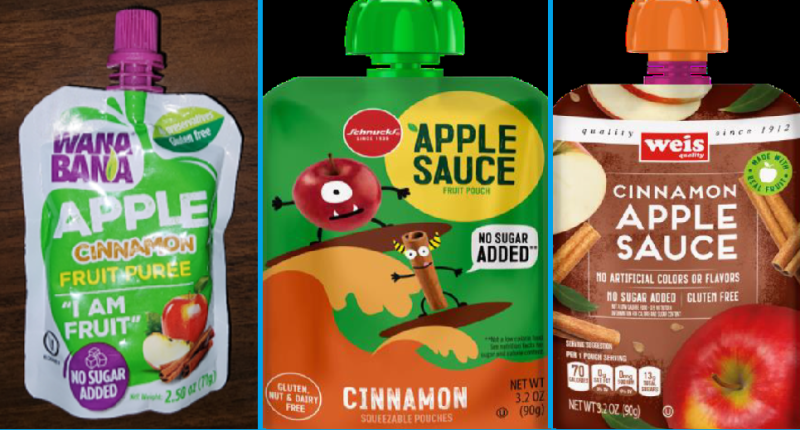
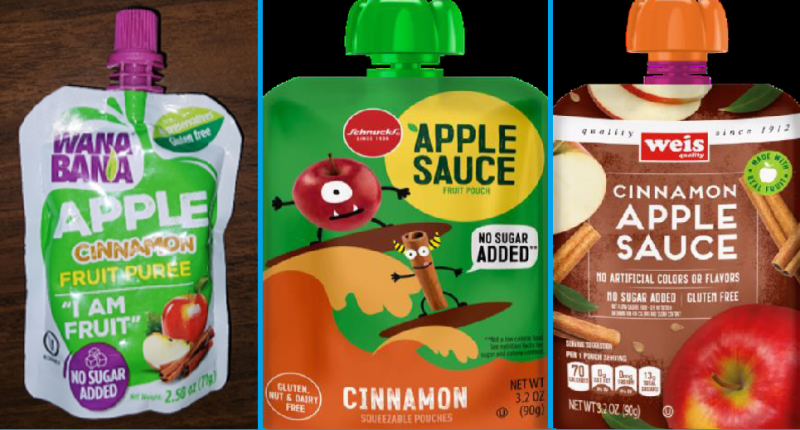
    The Food and Drug Administration (FDA) has received reports from multiple states that suggest children may have higher blood lead levels (BLLs) after consuming recalled cinnamon-containing applesauce products. The Delaware Division of Public Health (DPH) has received no reports of children with high BLLs in response to the recall of cinnamon-containing applesauce products.

    Signs and symptoms may include headaches, nausea, vomiting, diarrhea, changes in activity level and anemia. The Centers for Disease Control (CDC) has received reports of 67 confirmed cases, 122 probable cases and 16 suspected cases from 33 different states as of December 15. The CDC has advised clinicians and health departments to consider the possibility of illness due to lead exposure and report cases to their local health authorities.

    Per the FDA, the recalled WanaBana, Schnucks, or Weis-brand apple cinnamon pouches should not be eaten, sold, or served. Due to the long shelf life of these products, consumers should check their homes and dispose of them. To prevent others from salvaging recalled products from the garbage, consumers and retailers should carefully open the pouch and empty the contents into a trash can before discarding the packaging. After discarding the product, clean up any spills and wash your hands.

    DPH remains vigilant as it monitors statewide conditions. Cases can be reported to the DPH Office of Lead Poisoning Prevention by emailing HSPContact@Delaware.gov.

    For more information about specific recalled products, visit https://www.fda.gov/food/outbreaks-foodborne-illness/investigation-elevated-lead-levels-cinnamon-applesauce-pouches-november-2023.

    The Delaware Division of Public Health (DPH), a division of the Delaware Department of Health and Social Services, is a nationally accredited public health agency recognized by the Public Health Accreditation Board for its outstanding dedication to driving change through innovation. DPH is committed to improving the quality of the lives of Delaware�s citizens by promoting health and well-being, fostering self-sufficiency, and protecting vulnerable populations.

    Anyone who is deaf, hard of hearing, Deaf-Blind, or speech-disabled can contact DPH by first dialing 711 using specialized devices (i.e., TTY, TeleBraille, voice devices). The 711 service is free; to learn more about how it works, visit delawarerelay.com.

    Delaware Health and Social Services is committed to improving the quality of the lives of Delaware’s citizens by promoting health and well-being, fostering self-sufficiency, and protecting vulnerable populations.

    Delaware Division Of Public Health Reminds Residents To ‘Spread Joy Not Germs’ This Holiday Season

    DOVER, Del. (Dec. 11, 2023)– The Delaware Division of Public Health (DPH) takes the safety and well-being of all Delawareans seriously. With COVID-19, flu and RSV all prevalent this time of year, DPH is actively educating residents about how to mitigate exposure and transmission of these respiratory viruses.

    Keeping in the spirit of the holiday season, DPH has taken a lighthearted approach and launched a fun, new, holiday-themed campaign reminding all Delawareans of four simple guidelines that can help them stay safe from respiratory viruses this winter:

    • Get vaccinated for COVID-19, flu and RSV, if eligible.
    • Stay home if you are sick.
    • If you have symptoms or were exposed to someone with a respiratory illness, get tested and seek treatment if you test positive.
    • If cases rise or you are immunocompromised, consider wearing a mask.

    “On behalf of the Division of Public Health, I would like to wish everyone a safe, healthy, and enjoyable holiday season,” Steven Blessing, Director of the Delaware Division of Public Health said. “While these respiratory illnesses are no joke, we hope the images and messages in our new holiday campaign will spark some smiles while reminding us of all to do everything we can to keep ourselves and our loved ones protected.”

    DPH also compiled a list of tips and resources to further ensure viruses take a backseat to gatherings and celebrations. Here are eight ways we can all spread joy instead of germs this holiday season:

    1. Get vaccinated. It’s worth repeating. Cases of COVID-19, flu and RSV are currently increasing. Vaccines are available to help lessen symptoms and prevent hospitalization.
    2. Wash your hands. This is so simple, but so effective. Washing hands for at least 20 seconds using soap and water prevents the spread of germs to protect the ones you love.
    3. Cover that cough. Use the inside of your elbow or a tissue to cover up that cough or sneeze. Try to avoid coughing into your hands, and if you do, wash them immediately using hand sanitizer or soap and water.
    4. Protect vulnerable loved ones. No one wants to get sick with a respiratory virus, but the impact of these illnesses can be particularly severe on the elderly and those with underlying conditions. Know who is at risk and take steps to mitigate any germs spreading.
    5. Traveling? Prepare early. Be sure you and your travel companions get vaccinated at least two weeks before your trip. This will allow the full effects of the vaccine to develop in your body for maximum protection.
    6. During that trip, mask up when appropriate. If you’ll be travelling by plane, train, or bus consider masking up during the ride. Those tight quarters, where ventilation might be poor and people around you may be coughing or sneezing, create ideal conditions for the transmission of viral illnesses.
    7. Did you get sick? Stay home. This is another tip worth repeating. No one wants to miss a holiday party or family dinner. For your own well-being and the safety of others though, stay home if you test positive for a respiratory illness, have a fever, or are presenting any of the common symptoms like coughing, sore throat, fever, or runny nose.
    8. Stay updated. DPH offers up to date information about COVID-19, flu and RSV When in doubt, check the state’s website for answers to your questions.

    Individuals with general questions about COVID-19 should call Delaware 2-1-1, individuals who are deaf or hard of hearing can text their ZIP code to 898-211, or email delaware211@uwde.org.

    Hours of operation are Monday– Friday 8 a.m. to 9 p.m. and Saturday 9 a.m. to 5 p.m.

    Medically related questions regarding testing, symptoms, and health-related guidance can be submitted by email at DPHCall@delaware.gov.

    DPH will continue to update the public as more information becomes available. For the latest on Delaware’s response, go to de.gov/coronavirus.

    2023 Holiday Campaign flyer

    The Delaware Division of Public Health (DPH), a division of the Delaware Department of Health and Social Services, is a nationally accredited public health agency recognized by the Public Health Accreditation Board for its outstanding dedication to driving change through innovation.

    Anyone who is deaf, hard of hearing, Deaf-Blind or speech disabled can contact DPH by dialing 711 first using specialized devices (i.e. TTY, TeleBraille, voice devices). The 711 service is free and to learn more about how it works, please visit delawarerelay.com.

    Delaware Health and Social Services is committed to improving the quality of the lives of Delaware’s citizens by promoting health and well-being, fostering self-sufficiency, and protecting vulnerable populations.

    Delaware’S Birth To Three Program Hosts Virtual Event With Online Sensation Ms. Rachel

    Wilmington, DEL. (Dec. 5, 2023)– Delaware’s Birth to Three Program is proud to announce a dynamic and engaging virtual event, “Explore Delaware’s Birth to Three Journey with Special Guest Ms. Rachel,” scheduled for December 6, 2023, from 6:00 PM to 7:00 PM (EST) via Zoom. This one-hour live event is divided into two captivating segments, designed to educate, inspire and foster community involvement. Lieutenant Governor Bethany Hall-Long, PhD, RNC, FAAN will give opening remarks to the press about the partnership.

    “It is important that children reach developmental milestones within their first three years of life,” Lieutenant Governor Hall-Long said. “I look forward to joining children and their parents and guardians to meet Ms. Rachel and her husband, Aron Accurso, on December 6.”

    Meet the Panelists:

    • Rachel Griffin Accurso, aka Ms. Rachel, is an award-winning educator, songwriter and online sensation with a Master’s in Music Education from NYU and currently working towards her Master’s in Early Childhood Education. Ms. Rachel and Aron Accurso have created the popular YouTube channel Toddler Learning Videos, which provides educational videos and music classes for toddlers and preschoolers.
    • Nicole Topper, Public Health Administrator I, has been with the Birth to Three Early Intervention Administration since August 2022. Topper started her career with the Department of Service for Children, Youth and Their Families (DSCYF) in 2006 and joined the Division of Public Health in 2022. Topper has focused her educational and professional career on serving the children and families of Delaware for over 17 years.
    • Erin Rich is new to the Part C Coordinator* position but has been with the Birth to Three program since January 2022. Previously, Rich taught Research and Writing for many years at Delaware Technical Community College, and high school English in Philadelphia before that. She strives to ensure equitable and quality early intervention services for infants and toddlers in Delaware, and their families, aided by strong and collaborative relationships with community stakeholders.
    • Candi Biles, Public Health Treatment Program Administrator, has been with the Birth to Three Regional Program in Kent and Sussex County since November 2004. She started as a Casual/Seasonal Family Service Coordinator and was promoted to the Program Administrator position in 2020. She worked in the community for seven years, serving vulnerable populations, such as survivors of domestic violence, substance abuse and HIV. She enjoys serving Kent and Sussex families by giving their child the absolute best start in life. She is passionate about empowering her staff and creating a positive workplace culture.
    • Sarah Wood, Training and Education Administrator I, has been with the Birth to Three Early Intervention Program since April 2022. She came to the Division of Public Health after serving 8.5 years with the Department of Services for Children, Youth and Their Families. Wood is passionate about child advocacy and enjoys working closely with community stakeholders to help support Delaware’s families.
    • Maricarmen Morales Santiago, Trainer/Educator III, has been with the Birth to Three Early Intervention Program since September 2019. Maricarmen was a Child Development Specialist and ECE Interventionist with the program before becoming the program trainer. Maricarmen is an Early Childhood Educator with experience in school settings, HeadStart Programs and private practice as tutor and educational therapist. Maricarmen is passionate about Early Intervention and outreach.

    The live event will be divided into two segments:

    Segment 1: Roundtable Discussion for Press with commentary from Lieutenant Governor Bethany Hall-Long (6:00 PM– 6:20 PM)

    Participants will hear opening remarks from Lieutenant Governor Bethany Hall-Long regarding the importance of the partnership with Ms. Rachel for Delaware’s Birth to Three community and early intervention programs across the state.

    This segment also includes a roundtable discussion where pre-submitted and screened questions from the press will be addressed, ensuring a comprehensive and informative dialogue.

    Segment 2: Explore Delaware’s Birth to Three Journey with Special Guest Ms. Rachel (6:30 PM– 7:00 PM)

    The second segment will include a special performance by Ms. Rachel and her husband, Aron Accurso, which promises to be both entertaining and educational as she interacts live with the audience.

    Parents will have the opportunity to additionally engage through a Q&A session, where questions submitted and screened prior to the event will be addressed.

    The “Explore Delaware’s Birth to Three Journey with Special Guest Ms. Rachel” event aligns with several key objectives of Delaware’s Birth to Three program:

    1. Raise awareness with parents and caregivers about the importance of early childhood development and available resources via Delaware’s Birth to Three program including developmental tools,
    2. Engage Delaware families to foster a sense of community and involvement, which is vital for raising awareness and generating support.
    3. Raise awareness of the new partnership that has been established by worldwide influencer Ms. Rachel of Songs for Littles and Delaware’s Birth to Three program.

    To register, visit www.b23de.org/b23-special-event.

    *The Part C Coordinator has the leadership responsibility for administering the early intervention program in a state so that all federal and state requirements are being met including building a high-quality early intervention system.

    B23 MsRachel Flyer

    Delaware Birth to Three, following the Individuals with Disabilities Education Act (IDEA) Part C provides support for families with infants and toddlers from birth to age three with developmental delays or disabilities. The program aims to help families and caregivers improve their child’s learning and growth by making the most of daily learning opportunities, ensuring every child can reach their full potential.

    The Delaware Division of Public Health (DPH), a division of the Delaware Department of Health and Social Services, is a nationally accredited public health agency recognized by the Public Health Accreditation Board for its outstanding dedication to driving change through innovation.

    Anyone who is deaf, hard of hearing, Deaf-Blind or speech disabled can contact DPH by dialing 711 first using specialized devices (i.e. TTY, TeleBraille, voice devices). The 711 service is free and to learn more about how it works, please visit delawarerelay.com.

    Delaware Health and Social Services is committed to improving the quality of the lives of Delaware’s citizens by promoting health and well-being, fostering self-sufficiency, and protecting vulnerable populations.

    Delaware Becomes The First State To Hold Statewide Lung Cancer Screening Event

    DOVER, DEL. (Nov. 9, 2023)– The American Cancer Society (ACS) has partnered with hospitals and imaging facilities across Delaware to present National Lung Cancer Screening Day (NLCSD) as a statewide event. On Saturday, November 11, representatives from the Bureau of Cancer Prevention and Control within the Delaware Division of Public Health (DPH) will be on-site at several imaging facilities. Delaware is the first state to have all the health systems and major imaging facilities formally collaborate to support lung cancer screening and open weekend hours to address screening barriers for those that can’t make it Monday through Friday.

    Lung cancer is one of the deadliest forms of cancer and is estimated to claim the lives of over 127,000 Americans this year. According to the latest Cancer Incidence and Mortality in Delaware report, lung and bronchus cancer was the leading cause of death from cancer in the First State (38.4 deaths per 100,000 population) in 2016-2020. Lung and bronchus cancer are also the third most common type of cancer (56.9 cases p er 100,000 population) following prostate and female breast cancer. Only a small percentage of individuals get recommended screening tests, and 1 in 10 people at higher risk get screened nationwide.

    The partnership with ACS asks that healthcare providers open their doors on the second Saturday in November for low-dose CT lung screenings (LDCT). By opening on a Saturday, individuals who have already been referred for LDCT can access screening without having to take a day off work. It will also raise awareness among those in the community who may not know about early detection of lung cancer.

    “We are excited to help host Lung Cancer Screening Day and bring together the community to prioritize lung health,” said Cancer Prevention and Control Bureau Chief Dawn Hollinger. “By increasing awareness and providing access to screenings, we aim to save lives by detecting lung cancer at its earliest stages when treatment options are most effective.”

    LDCT screenings are quick, painless and can help save lives. The following locations offer lung cancer screenings to Delawareans during National LCS Day:

    For more locations, visit the Lung Cancer Screening Locator Tool at https://www.acr.org/Clinical-Resources/Lung-Cancer-Screening-Resources/LCS-Locator-Tool.

    To participate in National Lung Cancer Screening Day in Delaware, individuals are encouraged to contact their local healthcare provider to determine their eligibility and schedule an appointment. It is important to note that screening eligibility criteria may vary, but generally include individuals aged 55 to 80 who have a history of smoking or exposure to environmental risk factors.

    The National Lung Cancer Screening Day aims to stimulate screening across the board. Health systems, clinicians and patients are encouraged to make lung cancer screening a year-round priority rather than waiting until November. For more information, visit https://www.healthydelaware.org/individuals/cancer/lung#intro or https://www.cancer.org/cancer/types/lung-cancer/detection-diagnosis-staging/detection.html.

    The Delaware Division of Public Health (DPH), a division of the Delaware Department of Health and Social Services, is a nationally accredited public health agency recognized by the Public Health Accreditation Board for its outstanding dedication to driving change through innovation

    Anyone who is deaf, hard of hearing, Deaf-Blind or speech disabled can contact DPH by dialing 711 first using specialized devices (i.e. TTY, TeleBraille, voice devices). The 711 service is free and to learn more about how it works, please visit delawarerelay.com.

    Delaware Health and Social Services is committed to improving the quality of the lives of Delaware’s citizens by promoting health and well-being, fostering self-sufficiency, and protecting vulnerable populations.

    Delaware Celebrates Health For All On One Health Day And Every Day

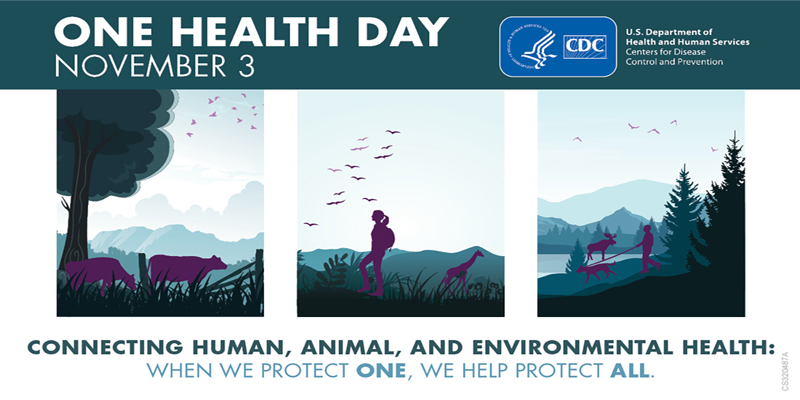
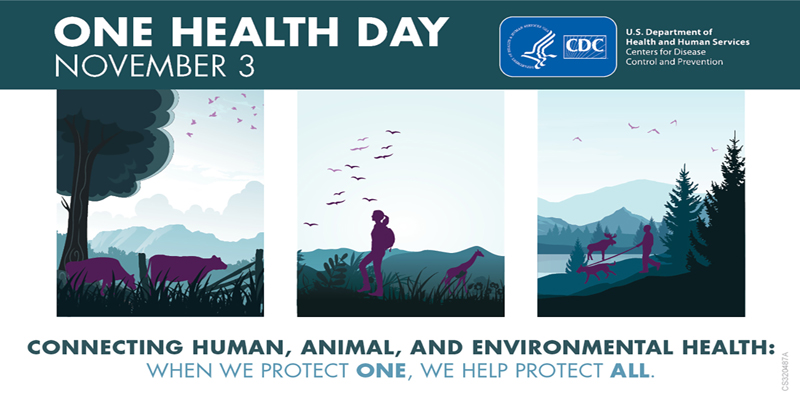
    DOVER, DEL. (Nov. 3, 2023)– To recognize the interconnectedness between the health of people, animals and the environment we share, the Delaware Division of Public Health (DPH) celebrates One Health Day on November 3, 2023. Today, we are awakening to the fact that without open discussions and mutual understanding, we are unable to solve issues such as climate change, pandemics and food insecurity. According to DPH, the One Health approach helps us work together towards a common goal: preserving tomorrow starting today.

    In the United States and around the world, One Health is gaining popularity as an effective way to combat zoonotic diseases and other health issues. By involving experts from human, animal, environmental and other relevant disciplines and sectors, the CDC monitors and controls public health threats and learns about how diseases spread among humans, animals, plants and the environment. Efforts to improve public health require the cooperation of partners from the fields of animal, human and environmental health. The interaction between animals, humans and the environment cannot be handled by one person, organization or sector alone.

    After the Ebola crisis in Africa and the Avian Influenza outbreak in the U.S. in 2014, Delaware began embracing the One Health concept. During this time, One Health was called a “New Beginning.” A number of health concerns are shared by people, animals and the environment, including emerging, re-emerging, and endemic diseases, neglected tropical diseases, vector-borne diseases, antimicrobial resistance, food safety, food security, environmental contamination and climate change.

    “Animals also share our susceptibility to some diseases and environmental hazards,” said DPH State Veterinarian Dr. Doug Riley. “Because of this, they can sometimes serve as early warning signs of potential human illness. For example, birds often die of West Nile Virus before people in the same area get sick with West Nile Virus infection.”

    There are a number of areas that One Health can address in Delaware, including:

    • Infections caused by antibiotic-resistant germs can quickly spread in communities, food supply, healthcare facilities, and the environment, such as in soil or water.
    • Warmer temperatures and more mosquito and tick habitats are causing vector-borne diseases to rise.
    • Animal diseases threaten supplies, livelihoods and economies.
    • Animals can help improve mental well-being.
    • People and animals may become sick from contaminated water used for drinking, recreation and other purposes.

    Collaboration across all sectors allows a One Health approach to achieve the best health outcomes across people, animals and plants through:

    • Preventing outbreaks of zoonotic disease in animals and people
    • Improving food safety and security
    • Reducing antimicrobial-resistant infections and improve human and animal health
    • Protecting global health security
    • Protecting biodiversity and conservation

    “We must embrace the reality that we are all interdependent and that our home, Mother Earth, needs to be cared for and nurtured,” said Riley. “By promoting collaboration across all sectors, a One Health approach can achieve the best health outcomes for people, animals and plants in a shared environment.”

    For more information about One Health initiatives, visit: One Health– Delaware Health and Social Services– State of Delaware or call 302-744-4990.

    One Health Day

    If you or a loved one is struggling with addiction in Delaware, call DHSS’ 24/7 Crisis Hotline to be connected to treatment and recovery options. In New Castle County, call 1-800-652-2929. Or in Kent and Sussex counties, call 1-800-345-6785. For free 24/7 counseling, coaching, and support, as well as links to mental health, addiction, and crisis services call the Delaware Hope Line at 833-9-HOPEDE. To search online for treatment and recovery services in Delaware or nearby states, visit HelpIsHereDE.com.

    The Delaware Division of Public Health (DPH), a division of the Delaware Department of Health and Social Services, is a nationally accredited public health agency recognized by the Public Health Accreditation Board for its outstanding dedication to driving change through innovation.

    Anyone who is deaf, hard of hearing, Deaf-Blind or speech disabled can contact DPH by dialing 711 first using specialized devices (i.e. TTY, TeleBraille, voice devices). The 711 service is free and to learn more about how it works, please visit delawarerelay.com.

    Delaware Health and Social Services is committed to improving the quality of the lives of Delaware’s citizens by promoting health and well-being, fostering self-sufficiency, and protecting vulnerable populations.

    Delaware Partners With American Cancer Society To Reduce High Mortality Rates For 2nd Annual Lung Cancer Screening Campaign

    DOVER, DEL. (Oct. 31, 2024)– The American Cancer Society National Lung Cancer Roundtable (ACS NLCRT), American College of Radiology® (ACR®), Radiology Health Equity Coalition (RHEC), and GO2 for Lung Cancer (GO2) have partnered once again for the second annual National Lung Cancer Screening Day (“National LCS Day”) on Saturday, November 9, 2024, which has been officially proclaimed by Governor John Carney and Lieutenant Governor Bethany Hall-Long in Delaware. As an additional contribution, Mayors Michael Purzycki and Robin Christiansen of Wilmington and Dover issued proclamations in support of the observance from Delaware’s largest cities. The American Cancer Society, the Delaware Division of Public Health (DPH), and other Delaware partners will also promote lung cancer screening throughout the entire month of November to reduce disparities, improve access to care, and ultimately save lives.

    Lung cancer continues to have the highest mortality rate of cancers worldwide, with populations from lower socioeconomic backgrounds having the highest incidence rates. Each year, lung cancer claims the lives of over 125,000 Americans and is the most common type of cancer death in the First State. Regular screening can help find it early when it is easier to treat, but only one in 10 people in the U.S. at higher risk get screened. A persistent barrier to screening is a patient’s availability for screening appointments, as most screening centers operate on traditional Monday to Friday work schedules. These operating hours afford little opportunity for patients with the greatest need to schedule and attend necessary screening appointments.

    As a solution, this campaign asks that facilities open their doors on the second Saturday in November for low-dose CT (LDCT) lung screening. Opening on a Saturday allows individuals who have already been referred for LDCT to access screening without having to take a day off work, thereby increasing the accessibility of screening overall. It will also serve to increase the profile of early detection of lung cancer to those in the community who were referred to by their doctors but might be unaware of the option.

    It is important that you talk to your health care provider to see if you are eligible for a lung cancer screening. For screening locations, visit the Lung Cancer Screening Locator Tool.

    “Delaware is proud to support National LCS Day, as this proactive approach is vital in saving lives and reducing the burden of lung cancer on families and communities within our state,” said Dawn Hollinger, chief of the Bureau of Cancer Prevention and Control at DPH. “Screenings are used to find cancer early when it is more treatable and even curable. Through this collaborative effort, we hope to increase awareness about the lifesaving benefits of lung cancer screening and encourage individuals at risk to take action.”

    Delaware organizations who have endorsed the 2024 National LCS Day Campaign:

    National LCS Day is meant to serve as a catalyst for screening in general. Rather than waiting until November to work lung screening into their routine, patients, clinicians, and health systems alike are encouraged to make screening a year-round priority. For more information, visit https://bit.ly/3ozryBJ.

    Lung Screening

    The Delaware Division of Public Health (DPH), a division of the Delaware Department of Health and Social Services, is a nationally accredited public health agency recognized by the Public Health Accreditation Board for its outstanding dedication to driving change through innovation.

    Anyone who is deaf, hard of hearing, Deaf-Blind or speech disabled can contact DPH by dialing 711 first using specialized devices (i.e. TTY, TeleBraille, voice devices). The 711 service is free and to learn more about how it works, please visit delawarerelay.com.

    About The American Cancer Society

    The American Cancer Society is a leading cancer-fighting organization with a vision to end cancer as we know it, for everyone. For more than 110 years, we have been improving the lives of people with cancer and their families as the only organization combating cancer through advocacy, research, and patient support. We are committed to ensuring everyone has an opportunity to prevent, detect, treat, and survive cancer. To learn more, visit cancer.org or call our 24/7 helpline at 1-800-227-2345. Connect with us on Facebook, X, and Instagram.

    Delaware Health and Social Services is committed to improving the quality of the lives of Delaware’s citizens by promoting health and well-being, fostering self-sufficiency, and protecting vulnerable populations.

    Treat Yourself To A Healthy And Safe Halloween

    DOVER, DEL. (Oct. 27, 2023)– Halloween is hauntingly around the corner. While it is known for its fun, costumes and candy, Halloween can also be a little scary for parents and pet owners– but it doesn’t have to be! The Delaware Division of Public Health (DPH) offers health and safety tips for a safe and fun celebration this Halloween.

    “Creep” It Healthy with These Treats

    Halloween can be a fun and exciting holiday for people of all ages, but it can also be difficult to stay on track with healthy eating habits. To help satisfy a child’s sweet tooth, consider opting for healthier and commercially wrapped alternatives such as:

    • Mini bags of fresh fruit and vegetables such as apples, raisins, grapes, carrots, or celery.
    • Mini bags of dried fruit or vegetable “chips.”
    • Squeeze fruit, fruit chews, or fruit rolls.
    • Mini bags of trail mix made with whole grain cereals.
    • Peanut butter or apple sauce in single-serve containers.
    • Individually packaged granola, cereal, soy, yogurt, and fig bars.
    • Mini bags of pretzels, animal crackers, mini rice cereal or granola bars, or whole grain cheddar cheese crackers.
    • Small bottles of water.
    • If candy is served, choose bite-size candy bars that are lower in fat and sugar.
    • Non-food treats like pencils, crayons, glow sticks, or bottles of bubbles.

    Remember: Whether it’s candy or a healthy sweet snack like fruit, after the snacking is done, grab your toothpaste and toothbrush. Moderation is also key when it comes to indulging in Halloween treats. You can still enjoy the occasional candy or cookie but try to limit your intake and practice portion control.

    Stay Safe with These Tricks

    As fun as Halloween can be, there are some traditions that can be a bit dangerous as well. For the safety of all Halloween participants, follow these tips:

    • Parents should walk with their children when trick-or-treating and stick to familiar neighborhoods. Do not let them go alone. Teach children never to go into strangers’ homes or cars. In case young children become lost, put a nametag with two phone numbers on their costumes. Children should know their home phone number and how to call 911.
    • Choose light-colored costumes that are labeled “flame-retardant,” meaning the material will not burn. Decorate costumes and bags with reflective tape or stickers and, if possible, choose light colors. Since costume masks can sometimes obstruct a child’s vision, try non-toxic face paint and makeup whenever possible. Make sure all costumes are appropriately sized to reduce trip and fall hazards.
    • At home, turn on outside lights and remove any tripping hazards.
    • Walk on well-lit sidewalks and driveways with flashlights. Use crosswalks and never assume that vehicles will stop for pedestrians. Insist that trick-or-treaters walk, not run or ride bicycles at night.
    • Teens and adult drivers should learn what day and time your city/town is holding trick-or-treating hours and be especially alert for children during these times.
    • Avoid candles and other flames.
    • Stay away from unknown or unattended pets.
    • Before eating any candy or treats, inspect them carefully to ensure they are safe to consume. Discard treats that are unsealed, have holes in the packages, are spoiled, or are homemade treats that were not made by someone you know. To prevent choking, do not allow young children to have hard candy or gum.

    Finally, let’s not forget Halloween safety for our pets:

    Halloween can be stressful for pets. Doorbells ringing and strangers coming to their doors make some pets very anxious. All but the most social dogs and cats should be kept in a separate room away from the front door during peak trick-or-treating hours.

    • Candy can cause illnesses, vomiting and diarrhea in pets. Make sure you keep candy in a safe place out of your pets’ reach. Don’t let your children “share” their Halloween treats (especially chocolate) with the family pet.
    • Pet costumes are cute, but make sure it’s a good fit for your animal. Make sure the costume does not limit his or her movement, sight or ability to breathe, bark or meow. Check the costume carefully for small, dangling or easily chewed-off pieces that could present a choking hazard. If you put it on and your pet seems overly anxious, then it’s best to let them be their glorious selves.
    • Make sure your pet is properly identified (microchip, collar and ID tag) in case it escapes through the open door while you’re distracted with trick-or-treaters.
    • Keep lit candles and jack-o-lanterns out of reach of pets.

    The Delaware Division of Public Health (DPH), a division of the Delaware Department of Health and Social Services, is a nationally accredited public health agency recognized by the Public Health Accreditation Board for its outstanding dedication to driving change through innovation. DPH is committed to improving the quality of the lives of Delaware’s citizens by promoting health and well-being, fostering self-sufficiency, and protecting vulnerable populations.

    Anyone who is deaf, hard of hearing, Deaf-Blind, or speech-disabled can contact DPH by first dialing 711 using specialized devices (i.e., TTY, TeleBraille, voice devices). The 711 service is free; to learn more about how it works, visit delawarerelay.com.

    Delaware Health and Social Services is committed to improving the quality of the lives of Delaware’s citizens by promoting health and well-being, fostering self-sufficiency, and protecting vulnerable populations.