

Site Logo Delaware Health and Social Services

    DPH Launches New Financial Aid Program For Private Well Owners, Offers Free Water Testing Kits To Delaware Residents

    DOVER, Del. (Aug. 31, 2023)– The Delaware Division of Public Health (DPH) recently announced a new financial assistance program for homeowners who receive their drinking water from private wells. The program is operated by the agency’s Health Systems Protection section.

    Starting Sept. 1, 2023, Delawareans can now receive free test kits for their primary residence in the state, which were previously available for $4 per kit. The test kits cover a standard range of bacteria and chemicals that may be present in drinking water.

    A Bacteria Kit tests for the following:

    • Total coliforms
    • E. coli

    A Chemical Kit tests for the following:

    • Alkalinity
    • Chloride
    • Fluoride
    • Hardness
    • Iron
    • Nitrate
    • Nitrite
    • pH
    • Sodium
    • Sulfate

    The Division of Public Health reminds residents that water quality standards for private wells are not regulated by the federal or state government, and they are the responsibility of the homeowner. For more information on primary and secondary contaminants covered by the Safe Drinking Water Act, and their health impacts, visit: https://www.epa.gov/sites/default/files/2016-06/documents/npwdr_complete_table.pdf

    Drinking water test kits can be picked up at four locations in the state:

    New Castle County

    • Environmental Health Field Services

      258 Chapman Road, Newark, DE 19702

      302-283-7110

    • Delaware Public Health Laboratory

      30 Sunnyside Road, Smyrna, DE 19977

      302-223-1520

    Kent County

    • Environmental Health Field Services

      Thomas Collins Building, Suite 5, Dover, DE 19901

      302-744-1220

    Sussex County

    • Environmental Health Field Services

      Thurman Adams State Service Center, Suite 1700

      544 S. Bedford St, Georgetown, DE 19947

      302-515-3300

    Individuals will be eligible to apply for the new financial assistance program if their water quality test results obtained from the laboratory contain excessive amounts in any of the following areas:

    • Total coliforms
    • E. coli
    • Fluoride
    • Nitrate
    • Nitrite
    • Sodium*

    *

    If individuals are at risk and on severely salt-restricted diets.

    To participate in the program, individuals must complete the application form and provide proof of enrollment in other State or Federal assistance programs such as SNAP, WIC, Supplemental Security Income, LIHEAP or Temporary Assistance for Needy Families (TANF).

    Once applications have been reviewed and approved, third-party vendors will select the appropriate treatment methods based on sample results. A treatment system, installation and the first year of maintenance will be covered by the program. Homeowners and tenants with landlord approval/sign-off can apply for the program.

    This program is funded through the State of Delaware’s Fiscal Year 2023 capital budget (Bond Bill) and has a budget of $200,000. It will operate on a first-come, first-served basis until funds expire or additional funding is secured for the program.

    For more information about the new program, email DHSS_DPH_PrivateWell@delaware.gov or call 302-744-4546 Option 9.

    The Delaware Division of Public Health (DPH), a division of the Delaware Department of Health and Social Services, is a nationally accredited public health agency recognized by the Public Health Accreditation Board for its outstanding dedication to driving change through innovation.

    Anyone who is deaf, hard of hearing, Deaf-Blind or speech disabled can contact DPH by dialing 711 first using specialized devices (i.e. TTY, TeleBraille, voice devices). The 711 service is free and to learn more about how it works, please visit delawarerelay.com.

    Delaware Health and Social Services is committed to improving the quality of the lives of Delaware’s citizens by promoting health and well-being, fostering self-sufficiency, and protecting vulnerable populations.

    DPH’S Office Of Animal Welfare Announces 2 Arrests In Connection With Lewes Dog Cruelty Case; 14 More Dogs Rescued

    DOVER, Del. (August 28, 2023)– Delaware Animal Services (DAS), the enforcement unit within the Office of Animal Welfare, announces the arrest of a man and a woman involved in an animal cruelty case.

    On Aug. 25, 2023, Delaware State Police (DSP) Troop 7 received a tip from a concerned citizen that Dillon Hensey, age 32, and his wife, Chelsie Puckett, age 33, were seen in the parking lot of 19791 Coastal Hwy Rehoboth Beach, Del. DSP responded to the area and located Hensey and Puckett parked in their SUV. Delaware Animal Services responded to assist with the arrest. Upon arrival, animal welfare officers found 14 more dogs living in the couple’s SUV. The vehicle was full of trash, feces and debris. The 14 dogs were seized by animal welfare officers and transported to Brandywine Valley SPCA (BVSPCA) for care.

    Hensey was taken into custody for the outstanding animal cruelty charges, while Puckett was taken into custody on unrelated charges. Both were arraigned at Troop 7 on August 25. The couple is prohibited from owning or possessing animals pending outcome of the case.

    • Hensey has been charged with 29 counts of misdemeanor animal cruelty and was released on $14,500 unsecured bond.
    • Puckett was charged with 14 counts of misdemeanor animal cruelty and was released on $7,000 unsecured bond.

    Hensey was wanted for abandoning 34 small breed dogs in deplorable conditions in a Lewes home in early August. He failed to turn himself in to DAS enforcement officers on multiple occasions.

    The 34 dogs that were seized on Aug. 8 were turned over to BVSPCA’s care. Thirty of the 34 dogs have been adopted and are now in loving homes, and four are in foster care. BVSPCA hopes to make some of the 14 dogs seized last week available for adoption as soon as Wednesday.

    The Office of Animal Welfare thanks the public for their tips as well as Delaware State Police for their cooperation with locating the suspects in this case.

    Animal Cruelty Complaints

    Cruelty and neglect of animals is against the law (delcode.delaware.gov/title16/c030f/index.html). If you are concerned about an animal’s welfare and suspect cruelty or neglect, contact OAW’s Delaware Animal Services section immediately at 302-255-4646 or report online at animalservices.delaware.gov/report_violation/25

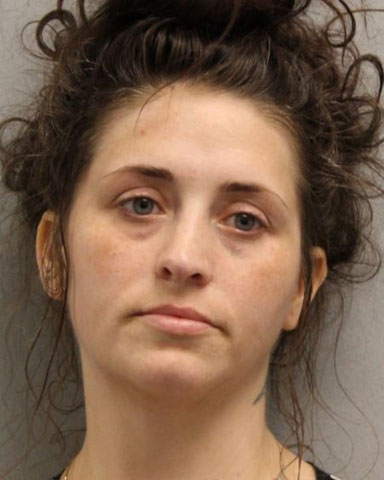
    Dillon HenseyChelsie Puckett

    The Delaware Division of Public Health (DPH), a division of the Delaware Department of Health and Social Services, is a nationally accredited public health agency recognized by the Public Health Accreditation Board for its outstanding dedication to driving change through innovation.

    Anyone who is deaf, hard of hearing, Deaf-Blind or speech disabled can contact DPH by dialing 711 first using specialized devices (i.e. TTY, TeleBraille, voice devices). The 711 service is free and to learn more about how it works, please visit delawarerelay.com.

    Delaware Health and Social Services is committed to improving the quality of the lives of Delaware’s citizens by promoting health and well-being, fostering self-sufficiency, and protecting vulnerable populations.
    Felton Couple Charged With Animal Fighting

    DOVER, Del. (August 22, 2023)– Delaware Animal Services (DAS), the enforcement unit within the Office of Animal Welfare, announces the arrest of a man and woman involved in a cockfighting incident in May.

    Billy Keen, age 51, and Andrea Keen, age 43, of Felton were arraigned August 18, 2023. The husband and wife were each charged with one felony count of possessing an animal for the purpose of fighting. Andrea was additionally charged with a one felony count of being present for animal fighting. Both were released on their own recognizance.

    On May 6, DAS received a report of a cockfight occurring at a farm located in the 3000 Block of Sandtown Road in Felton. When an animal welfare officer arrived, the officer found an active cockfight taking place with a crowd of people in attendance. Attendees quickly fled the scene.

    Subsequently, DAS obtained a search warrant for the property. The investigation revealed that Andrea and Billy Keen, who own the farm, host illegal cockfighting events on the property.

    Animal fighting is a cruel bloodsport in which roosters bred for aggression are placed in a pit to fight for entertainment and gambling, often until one or both birds die. Animal fighting is often linked to other crimes such as weapons, drugs and human violence. It is illegal in all 50 states, and a felony crime in Delaware.

    Anyone with information concerning this case is asked to contact Delaware Animal Services at 302-255-4646. All tips may remain confidential.

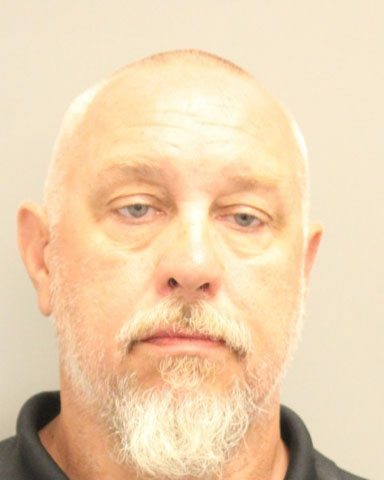
    Billy KeenAndrea Keen

    Anyone who is deaf, hard of hearing, Deaf-Blind or speech disabled can contact DPH by dialing 711 first using specialized devices (i.e. TTY, TeleBraille, voice devices). The 711 service is free and to learn more about how it works, please visit delawarerelay.com.

    DPH, a division of DHSS, urges Delawareans to make healthier choices with the 5-2-1 Almost None campaign: eat 5 or more fruits and vegetables each day, have no more than 2 hours of recreational screen time each day (includes TV, computer, gaming), get 1 or more hours of physical activity each day, and drink almost no sugary beverages.

    Delaware Health and Social Services is committed to improving the quality of the lives of Delaware’s citizens by promoting health and well-being, fostering self-sufficiency, and protecting vulnerable populations.

    DPH Announces Prescription Monitoring Programdata Updates To My Healthy Community Dashboard

    DOVER, Del. (August 2, 2023)– The Delaware Division of Public Health (DPH), in collaboration with the Delaware Division of Professional Regulation (DPR), announces important updates to the Mental Health and Substance Use Disorder section of the My Healthy Community (MHC) Dashboard.

    These updates are located within this section’s Prescription Monitoring Program (PMP) tab and present trends in prescription drug dispensing in Delaware. The most notable update to the PMP page is a color-coded matrix to identify communities that may be at higher risk of Opioid Use Disorder (OUD). The rate of prescriptions for high dose (greater than or equal to 90 Morphine Milligram Equivalents [MME]) and extended-release opioids are indicators of a high need for treatment. The key indicators available on the site include:

    • Prescription opioids
    • High-dose opioids
    • Long-acting/extended-release opioids
    • Benzodiazepines filled in the same month as an opioid
    • Cash paid opioid prescriptions
    • Opioid prescriptions paid by Medicaid
    • Opioid partial agonist prescriptions

    These indicators are shown by count and rate of prescriptions and include data on the number of people filling those prescriptions. Trend data for filled prescriptions indicate a steady decline in dispensed opioids and an increase in OUD treatment medications.

    Although the rates of filled opioids has declined 29% from 2006 to 2019 in the U.S., Delaware is higher than any other state in the United States with high-dosage (greater than or equal to 90 MME) opioid prescription fill rate at 7.8 prescriptions per 100 persons and long-acting/extended-release opioids at a rate of 10.1 prescriptions per 100 persons, according to Centers for Disease Control and Prevention’s 2019 Annual Surveillance Report on Drug-Related Outcomes. In 2020, Delaware ranked third highest among all states in drug overdose death rates with a rate of 47.3 per 100,000 population (CDC, 2021).

    In November 2022, CDC released the CDC Clinical Practice Guideline for Prescribing Opioids for Pain. This updated report from the 2016 Guidelines includes more information on acute pain management and alternatives to opioids for pain. DPH has continued to educate physicians and pharmacists on best practices for pain management. This includes offering one-on-one education and continuing education opportunities and working with Delaware providers to create educational materials for providers and patients. DPH has compiled an inventory of Delaware-specific, evidence-based pain management resources for prescribers and dispensers at Prescription Medications | Help is Here Delaware.

    The MHC data platform presents indicators of health outcomes to the public and has implemented an innovative methodology to facilitate the presentation of health, demographic and social determinant data in Delaware. The software provides an extensible framework for integrating data sets, generating analyses and visualizations, and managing both public and internal reports. The CDC’s Overdose Data to Action grant funded the updates to this portion of the dashboard and funds the Delaware PMP. DPH worked with the Division of Professional Regulation’s Office of Controlled Substances to make PMP data publicly available for these updates.

    If you or a loved one is struggling with addiction in Delaware, call DHSS’ 24/7 Crisis Hotline to be connected to treatment and recovery options. In New Castle County, call 1-800-652-2929. Or in Kent and Sussex counties, call 1-800-345-6785. For free 24/7 counseling, coaching, and support, as well as links to mental health, addiction, and crisis services call the Delaware Hope Line at 833-9-HOPEDE. To search online for treatment and recovery services in Delaware or nearby states, visit HelpIsHereDE.com.

    The Delaware Division of Public Health (DPH), a division of the Delaware Department of Health and Social Services (DHSS), is a nationally accredited public health agency recognized by the Public Health Accreditation Board for its outstanding dedication to driving change through innovation.

    Anyone who is deaf, hard of hearing, Deaf-Blind or speech disabled can contact DPH by dialing 711 first using specialized devices (i.e. TTY, TeleBraille, voice devices). The 711 service is free and to learn more about how it works, please visit delawarerelay.com.

    Delaware Health and Social Services is committed to improving the quality of the lives of Delaware’s citizens by promoting health and well-being, fostering self-sufficiency, and protecting vulnerable populations.

    Keep Your Cool In Extreme Heat Conditions

    DOVER, Del. (July 20, 2023)– With the summer season in full swing, extreme heat conditions can pose a serious threat to our health and well-being. The Delaware Division of Public Health (DPH) reminds Delawareans that it is important to take extra precautions to stay safe and healthy.

    Prolonged exposure to high temperatures can lead to heat exhaustion, heat stroke and other serious health complications. Heat exhaustion can cause a variety of symptoms, including excessive sweating, dizziness, nausea, headache and muscle cramps. If left untreated, symptoms can progress to more severe conditions such as confusion, trouble breathing and even loss of consciousness. Although rare, heat stroke is a true medical emergency that should be addressed by getting out of the sun and seeking immediate medical attention.

    Delawareans are advised to follow these steps to avoid heat-related illnesses:

    Avoid direct sunlight and find a well-ventilated, air-conditioned place. If your home does not have air conditioning, spend some time in an air-conditioned public facility, such as a library or mall. Even if the windows are slightly open, children, individuals or pets should never be left in cars. To remind yourself that a child is in the car, the Centers for Disease Control (CDC) recommend keeping a stuffed animal in a car safety seat unless a child is buckled in it. When the child is buckled in, place the stuffed animal in the front with the driver. Be certain that everyone has exited the car.

    To prevent sunburn, apply sunscreen with an SPF of 15 or higher 30 minutes before going outside and reapply it as directed.

    Keep yourself hydrated. In the heat, CDC recommends drinking water every hour, regardless of activity level. Instead of drinking caffeinated, alcoholic and carbonated drinks, reach for water when you’re thirsty. Regular urination and pale or clear urine are signs that a person is drinking enough fluids. Dehydration symptoms include dark urine, thirst, dry mouth, dry lips, headaches and dizziness. In order to replace salt and minerals lost through heavy sweating, dehydrated individuals should drink a sports drink or fruit juice.

    Don’t drink more water than you need to quench your thirst. It is possible to develop hyponatremia, a potentially fatal loss of sodium levels, when you drink too much water. Monitor adults who are at risk of heat exhaustion or heat stroke twice a day. Children and infants require more frequent supervision. In case of severe symptoms such as nausea, vomiting, confusion, seizures or coma, call 911.

    Limit outdoor activity, especially mid-day when the sun is hottest. Exercise or hold sports team practices early in the morning or in the early evening. If you must be outside, wear lightweight, light-colored clothing. Wear a hat or use an umbrella for shade. Avoid taking a cold shower too soon after coming in from hot weather; it can cause hypothermia, especially in the elderly and children. It is better to use cool water than ice cold water in these cases.

    Stay informed. As well as knowing the warning signs of heat-related illnesses, be aware of local heat alerts. Infants and children younger than 4 years old, those 65 years and older, outdoor workers, athletes and obese people are at high risk of heat-related illness, along with those taking certain medications, having poor circulation, high blood pressure and living with mental illness. Fever, sunburn, dehydration and alcohol consumption are also risks. Check on a friend or neighbor during extreme heat events.

    For more information, visit the CDC website at cdc.gov/extremeheat/warning.html.

    Make a Heat Plan for Pets:

    The Division of Public Health and its Office of Animal Welfare also urge pet owners to make a plan for caring for their pets. Animals at the greatest risk of stress from the heat include pregnant or lactating animals, very young and older animals, animals with darker coats, obese pets, short-nosed dog breeds and animals with chronic health conditions. Signs of heat stress can include panting, increased salivation, restlessness, muscle spasms, increased heartbeat and body temperature, weakness, lack of coordination, bright red or pale and sticky gums, vomiting, diarrhea and depression.

    • Pets should not be left in vehicles, even in mild temperatures: Animals kept inside a vehicle in warm or hot temperatures are susceptible to heatstroke. According to the American Veterinary Medical Association (AVMA), the interior of a vehicle can reach 89 degrees in just 10 minutes when the temperature outside is just 70 degrees. At 80 degrees outside, a vehicle’s interior can reach 99 degrees in that time. Temperatures will continue to rise inside a vehicle, and the AVMA states that cracking windows does little to help. Call 911 immediately if you see a pet left unattended in a vehicle.
    • Animals should have access to shade and water when outside: The best place for pets in hot temperatures is inside the home. If a pet must be outside in the heat, make sure the animal has a shaded area and fresh water to help stay cool. The interiors of cat and dog houses can get very hot in summer months and, therefore, do not provide adequate shade.
    • Practice caution when walking dogs in the heat: The best time of day to walk dogs in summer months is in the early morning or late evening when the sun’s heat is not as intense. A simple touch of the hand to any surface where a walk is planned will tell if it’s too hot for a dog. If it’s too hot for a human hand, it’s too hot for a dog’s paws.
    • Pay attention to signs of heat stroke: Just like humans, dogs are susceptible to heat stroke in high temperatures, especially if there is increased activity or little ventilation. A dog that is drooling and panting due to heat can quickly progress to a heat stroke, which can be life-threatening. Immediate veterinary attention is suggested for dogs that have become over-heated.

    By following these steps, we can all stay healthy and safe during extreme heat conditions. Let’s make this a summer to remember for all the right reasons.

    Extreme Heat

    The Delaware Division of Public Health (DPH), a division of the Delaware Department of Health and Social Services, is a nationally accredited public health agency recognized by the Public Health Accreditation Board for its outstanding dedication to driving change through innovation. Delaware Health and Social Services is committed to improving the quality of the lives of Delaware’s citizens by promoting health and well-being, fostering self-sufficiency, and protecting vulnerable populations.

    Delaware Health and Social Services is committed to improving the quality of the lives of Delaware’s citizens by promoting health and well-being, fostering self-sufficiency, and protecting vulnerable populations.

    Suspected Drug Overdose Death Data Now Available On My Healthy Community

    DOVER, Del. (July 18, 2023)– In collaboration with the Delaware Division of Forensic Science (DFS), the Delaware Division of Public Health (DPH) announces the addition of suspected drug overdose death counts to the agency’s publicly available My Healthy Community (MHC) data dashboard. These data can be viewed on the Drug Overdose Deaths tab within the Mental Health and Substance Use Disorder section of MHC.

    Suspected drug overdose death counts are an early signal of changing trends in Delaware’s opioid overdose epidemic. Suspected drug overdose deaths based on forensic investigator scene impressions are reported to DPH within a week of occurrence and are considered preliminary. Further information from autopsies, toxicology results, and death diagnosis coding will likely result to a final count of drug overdose death that may differ from the initial estimates of suspected drug overdose deaths. The annual total number of drug overdose deaths of Delaware residents is available on MHC following the finalization of death certificate data by the Centers for Disease Control and Prevention’s National Center for Health Statistics and the Delaware Health Statistics Center.

    Drug overdose deaths continue to occur in alarming numbers. In the first half of 2023, 247 suspected drug overdose deaths occurred in Delaware, consistent with the trend in 2022 with 255 drug overdose deaths occurring in Delaware during the same timeframe. Monthly data on the data dashboard reflect the recent record high counts in November and December 2022, and January 2023, that were reported by DPH and DFS earlier this year.

    The Delaware Department of Health and Social Services currently publishes the year-to-date total number of suspected overdose deaths on the homepage of its website and HelpisHereDE.com.

    The My Healthy Community (MHC) data platform presents indicators of health outcomes to the public and has implemented an innovative method to facilitate the presentation of health, demographic, and social determinant of health data in Delaware. The software provides an extensive framework for integrating data sets, generating analyses and visualizations, and managing both public and internal reports. The CDC’s Overdose Data to Action grant funded the addition of the suspected drug overdose death data to the dashboard.

    For free 24/7 counseling, coaching, and support, as well as links to mental health, addiction, and crisis services call the Delaware Hope Line at 1-833-9-HOPEDE. To search for treatment and recovery services in Delaware or nearby states, visit HelpIsHereDE.com.

    If you or a loved one is struggling with addiction in Delaware, call DHSS’ 24/7 Crisis Hotline to be connected to treatment and recovery options. In New Castle County, call 1-800-652-2929. Or in Kent and Sussex counties, call 1-800-345-6785. For free 24/7 counseling, coaching, and support, as well as links to mental health, addiction, and crisis services call the Delaware Hope Line at 833-9-HOPEDE. To search online for treatment and recovery services in Delaware or nearby states, visit HelpIsHereDE.com.

    The Delaware Division of Public Health (DPH), a division of the Delaware Department of Health and Social Services, is a nationally accredited public health agency recognized by the Public Health Accreditation Board for its outstanding dedication to driving change through innovation. DPH is committed to improving the quality of the lives of Delaware’s citizens by promoting health and well-being, fostering self-sufficiency, and protecting vulnerable populations.
    Anyone who is deaf, hard of hearing, Deaf-Blind, or speech-disabled can contact DPH by first dialing 711 using specialized devices (i.e., TTY, Tele Braille, voice devices). The 711 service is free; to learn more about how it works, visit delawarerelay.com.

    Delaware Health and Social Services is committed to improving the quality of the lives of Delaware’s citizens by promoting health and well-being, fostering self-sufficiency, and protecting vulnerable populations.

    Family Shade Mini-Grant Program Awards $25,000 To Three Community Organizations

    WILMINGTON, Del. (July 6, 2023)– The Parent Information Center of Delaware (PIC), in partnership with the Delaware Division of Public Health (DPH), announced the recipients of the Statewide Family SHADE Mini-Grant Program for 2023-2024.

    The Family SHADE (Support Healthcare Alliance Delaware) mini-grant program aims to build state and local capacity and test small-scale innovative strategies to improve the overall systems of care for youth with special health care needs and their families. The Parent Information Center of Delaware manages the mini-grant program, made possible by DPH. The Division of Public Health’s Maternal and Child Health program works with organizations across the state to ensure all Delaware babies and children have the same opportunity to thrive.

    “We are thrilled to continue this amazing opportunity to partner with our state in providing innovative strategies that support children and youth with special health care needs (CYSHCN),” said PIC Executive Director Meedra Surratte. “So often, the community organizations who have direct access and greatest impact in our communities do not have the resources, financial or otherwise, to respond to the needs of the communities they serve. This mini-grant process is one way we can support the organizations and communities facing the most significant barriers to accessing care and support. More importantly, the technical assistance provided to the grantees and learning communities allows for meaningful family engagement, capacity building and sustainability in programs serving CYSHCN.”

    The 2023-2024 mini-grant recipients are:

    The Children’s Beach House: Founded in 1936, Children’s Beach House has devoted itself to meeting the most pressing needs of Delaware children. Children’s Beach House envisions a world where all children reach their highest potential. The mission of Children’s Beach House is to improve the lives of children, youth, families and communities by helping them to identify, understand and utilize their own strengths, talents and resources.

    Children’s Beach House is being awarded $25,000 to expand its Youth Development Program. The Youth Development Program gives young people opportunities to develop close and supportive relationships with peers and caring adult role models, so they feel safe, loved and at home in the world. The program offers year-round support and activities for children ages 7 to 18 who have a diagnosed speech, language, hearing or communicative delay or disability, have an Individual Education Plan (IEP) and come from under-resourced homes.

    Down Syndrome Association of Delaware: Founded in 1979, the Down Syndrome Association of Delaware is a statewide non-profit support group. The mission of the Down Syndrome Association of Delaware is to serve as a resource promoting public awareness, education and advocacy supporting individuals with Down syndrome and their families.

    The Down Syndrome Association of Delaware is being awarded $25,000 to work alongside the families of over 150 youth within the state of Delaware who are under the age of 17 and have Down syndrome. Families will be referred to the Down Syndrome Program at Nemours, which helps families of children with Down syndrome create medical homes by connecting them with specialists and professionals who work collaboratively with parents and caregivers. The Down Syndrome Program at Nemours has been in existence since 2017 and is one of only a handful of programs of its kind in the country.

    Teach Zen Incorporated: Founded in 2016, Teach Zen Inc. is a community partner focused on supporting the early childhood industry with social-emotional learning. The mission of Teach Zen Inc. is to provide young children and early childhood educators with the self-care tools needed to manage BIG emotions in order to create safe and nurturing classroom environments that enhance the capacity for learning.

    Teach Zen Inc. is being awarded $25,000 to provide early childhood educators and children of low-income families between the ages of 3 and 5 enrolled in early childhood education programs with Social Emotional Learning and self-regulation techniques to improve their overall emotional well-being.

    The three organizations were selected by a diverse team of community reviewers to receive the funding. Each recipient was required to address one of the Title V Maternal and Child Health (MCH) National Performance Measures (NPMs) for Children and Youth with Special Health Care Needs in their mini-grant applications.

    The National Performance Measures are:

    • Performance Measure 6 (Developmental Screening): Percent of children, ages 9 through 35 months, who received developmentally appropriate services in a well-coordinated early childhood system.
    • Performance Measure 11 (Access to Medical Home): Percent of children with and without special health care needs, ages 0 through 17, who have a medical home.
    • Performance Measure 12 (Transition to Adult Healthcare): Percent of adolescents with and without special health care needs, ages 12 through 17, who received services to prepare for the transition to adult health care.
    • Performance Measure 15 (Adequate Insurance): Percent of children, ages 0 through 17, who are continuously and adequately insured.

    Mini-grant recipients are required to submit monthly reporting, attend technical assistance workshops and to participate in the Family SHADE monthly Learning Communities.

    Family Shade Mini-Grant Program

    About the Parent Information Center of Delaware (PIC)

    PIC’s work reflects our commitment to improve health and educational outcomes for children by empowering their families and the professionals who serve them. Annually, PIC serves thousands of parents and professionals statewide to meet our mission and improve outcomes for children. For more information about the Parent Information Center visit http://www.picofdel.org.

    Anyone who is deaf, hard of hearing, Deaf-Blind or speech disabled can contact DPH by dialing 711 first using specialized devices (i.e. TTY, TeleBraille, voice devices). The 711 service is free and to learn more about how it works, please visit delawarerelay.com.

    The Delaware Division of Public Health, a division of DHSS, urges Delawareans to make healthier choices with the 5-2-1 Almost None campaign: eat 5 or more fruits and vegetables each day, have no more than 2 hours of recreational screen time each day (includes TV, computer, gaming), get 1 or more hours of physical activity each day, and drink almost no sugary beverages.

    Delaware Health and Social Services is committed to improving the quality of the lives of Delaware’s citizens by promoting health and well-being, fostering self-sufficiency, and protecting vulnerable populations.

    Division Of Public Health Delivers Biennial Report, Impact Of Diabetes In Delaware, 2023, To Delaware Legislature

    DOVER, Del. (July 3, 2023)”¯– The Division of Public Health (DPH), on June 30, 2023, issued its biennial report, Impact of Diabetes in Delaware, 2023, to members of the General Assembly. The report provides up-to-date information on diabetes prevalence, programming, costs and progress.

    The report is a collaboration of three agencies: DPH and the Division of Medicaid & Medical Assistance (DMMA) under the Delaware Department of Health and Social Services (DHSS), and the Delaware Department of Human Resources, Statewide Benefits Office (SBO). The document is prepared for the Delaware General Assembly in accordance with 16 Del. Code, Chapter 1, Subchapter II, Section 140A, which requires it to be published by June 30 every other year.

    Diabetes is a chronic disease that occurs when the body does not produce or use insulin properly. Left untreated, diabetes can lead to poor health outcomes including heart disease, stroke, kidney disease, lower limb amputations, blindness, and death. Individuals with diabetes can effectively manage their condition through healthy lifestyle behaviors and a medication regimen to control blood glucose levels.

    According to DPH’s Diabetes and Heart Disease Prevention and Control Program (DHDPC), 24.6% of Delaware adults have either diabetes or prediabetes, a condition that places them at greater risk of progressing to diabetes. More than 95,000 Delaware adults (12%) reported on the 2021 Delaware Behavioral Risk Factor Survey that they had been diagnosed with diabetes; 84,800 additional Delaware adults (12.6%) reported being diagnosed with pre-diabetes.

    While the overall five-year age-adjusted mortality rate for diabetes has continued to decline, there are concerns about disparities by race.”¯Non-Hispanic Black adults have a five-year age-adjusted mortality rate for diabetes (34.5 deaths per 100,000 population), which is twice that of non-Hispanic White adults (17.2 deaths per 100,000 population).”¯

    According to the report, prediabetes and diabetes cost Delaware $1.1 billion each year– $818 million in direct medical expenses and $293 million in indirect costs. On average, medical expenditures for a person with diabetes are 2.3 times higher than for a person without diabetes. Prevention, early diagnosis, and management can prevent and reduce the costly outcomes associated with diabetes. The American Diabetes Association recommends at least 150 minutes per week of moderate-intensity physical activity and weight loss of 5% to 7% to prevent or delay the onset of diabetes in populations at high risk for the disease.

    In Fiscal Year 2022 (FY22), diabetes was the costliest clinical condition by episodes of care among the State’s 13,123 Group Health Insurance Plan (GHIP) members with diabetes. In FY22, costs related to diabetes episodes of care represented 5.0% of all GHIP net payments. The FY22 total allowed amount for diabetes reached $85.3 million– an increase of almost $9 million compared to FY21.

    In FY22, Delaware Medicaid Managed Care Organizations directly reimbursed providers $49.0 million for diabetes-related care. An additional $2.6 million was paid directly to providers via fee-for-service claims for diabetes-related care among Delaware Medicaid clients.

    The agencies make seven recommendations to reduce the burden of diabetes:

    • Recommendation 1: Continue to educate Delawareans about diabetes risk factors while encouraging healthy lifestyle behaviors.
    • Recommendation 2: Increase referrals to the nationally recognized, evidence-based National Diabetes Prevention Program for Delawareans at high risk for diabetes.
    • Recommendation 3: Increase referrals to Diabetes Self-Management Education and Support programs (DSMES) for adults with diabetes.
    • Recommendation 4: Increase medication adherence among Delawareans with high blood pressure and/or high cholesterol.
    • Recommendation 5: Increase the proportion of Delawareans with diabetes who follow the evidence-based Centers for Disease Control and Prevention Diabetes Care Schedule.
    • Recommendation 6: Leverage electronic health record (EHR) capabilities to promote the adoption of organizational guidelines for the clinical care of patients with or at risk for diabetes.
    • Recommendation 7: Enhance care coordination to improve the clinical care of Delawareans with or at risk for diabetes, share resources, and reduce health care costs.

    Read the full report at www.dhss.delaware.gov/DPH/dpc/diabetes.html.

    To learn more about diabetes management and prevention programs including the National DPP and DMES, visit https://www.healthydelaware.org/Individuals/Diabetes or call DHDPC at 302-744-1020.

    Learn more about DMMA at https://www.dhss.delaware.gov/DMMA/. Visit the SBO at https://dhr.delaware.gov/benefits/

    .

    Delaware Health and Social Services is committed to improving the quality of the lives of Delaware’s citizens by promoting health and well-being, fostering self-sufficiency, and protecting vulnerable populations.

    Groundhog In Wilmington Tests Positive For Rabies; Delaware’S First Rabies Case In 2023

    DOVER, Del. (June 21, 2023)– The Delaware Division of Public Health (DPH) is announcing its first reported rabies case of 2023. DPH received a report last week of a human and their pet dog who had been exposed to a potentially rabid groundhog in a residential neighborhood located near Bringhurst Woods Park on Washington St., in Wilmington. The groundhog was tested for rabies and the results came back positive on Friday, June 16. Both the individual and their pet dog have been advised to receive prophylaxis for rabies following the exposure.

    Since Jan. 1, 2023, DPH has performed rabies tests on 75 animals. In 2022, DPH performed rabies tests on 198 animals, 11 of which were confirmed to be rabid, including two raccoons, three foxes, four cats, one bat and one skunk. That number represents only a fraction of rabies in Delaware because in most cases, DPH only tests animals that have potentially exposed humans to rabies.

    Anyone who thinks they might have been bitten, scratched by, or encountered a groundhog or feral cat in this area should immediately contact their health care provider or call the DPH Rabies Program at 302-744-4995. Anyone in the area who thinks a groundhog may have bitten their pet should call their private veterinarian to have their pet examined and treated, and the exposure reported to the Delaware Department of Agriculture.

    Rabies is a preventable disease. DPH recommends that individuals take the following steps to prevent rabies exposure:

    • Because animals can carry rabies without appearing sick, it is important to watch and enjoy wild and unknown animals from a distance.
    • Wear thick gloves if you are handling a community cat whose vaccination history is unknown.
    • Avoid hand-feeding wildlife.
    • Teach children not to touch any unfamiliar animal and seek adult assistance immediately if a child is bitten or scratched by any animal.
    • If a wild animal is on your property, keep your distance and let it wander away. Bring children and pets indoors and alert neighbors who might be outside. You may contact a nuisance wildlife control expert who will remove the animal for a fee. These professionals can be reached at wildlifehelp.org.
    • Feed pets indoors.
    • Tightly cap or put away garbage cans where animals cannot gain access to them.
    • Leave orphaned animals alone. Often, the parents are close by and will return for their young.
    • Because pets can get rabies from wildlife and could then spread it to humans, preventing rabies in pets is also an important step in protecting yourself and others.

    NOTE: the Department of Natural Resources and Environmental Control (DNREC) does not rehabilitate wildlife. The state issues permits to trained volunteers with experience rehabilitating wildlife and returning native animals to the wild. If you need a wildlife rehabilitator, contact the Delaware Council of Wildlife Rehabilitators and Educators.

    How to protect your pets from rabies:

    • Be sure your pet dogs, cats and ferrets are properly immunized against rabies. Remember, it’s the law. Offenders may be subject to fines.
    • For more information about the state’s low-cost spay-neuter program for low-income pet owners, visit fixedandfab.com. For those that qualify, a rabies vaccination is also provided at no cost. Residents may also check with their local animal shelters and humane organizations for additional low-cost spay/neuter and vaccination clinics they offer the community.
    • The best thing you can do for the community cats in your neighborhood is to vaccinate them, have them spayed or neutered and return them to where you found them.
    • Keep family pets indoors at night. Never leave a pet outside unattended or let them roam free.
    • Consider vaccinating livestock and horses as well. Consult with your private veterinarian if you have questions about whether your animal(s) should be vaccinated against rabies.
    • If another animal injures your pet or presents with an unknown wound after being outdoors, contact your veterinarian for medical care. Your pet may need to be quarantined for a short time to ensure they were not exposed to a rabid animal.
    • For any questions regarding an animal quarantine, contact the Delaware Department of Agriculture (DDA) at 302-698-4630.

    Additional Resources:

    If you have been potentially exposed to an animal infected with rabies:

    • Wash all wounds thoroughly with soap and water and seek medical attention immediately, even if the wound seems minor.
    • All medical providers are required to report potential human exposure to the DPH Rabies Hotline by calling 302-744-4990 or by completing the human exposure report found at https://www.dhss.delaware.gov/DPH/dpc/rabies.html.

    If You Encounter an Animal Behaving Aggressively:

    • If you encounter a wild animal behaving aggressively, it is recommended that you contact the DNREC Wildlife Section at 302-739-9912. Calls after hours and on weekends can be made to the 24-hour dispatch number 800-523-3336. Staff will determine whether referring callers to a private nuisance wildlife control operator is more appropriate. A listing of nuisance wildlife control operators can be found at wildlifehelp.org.
    • If you encounter an aggressive stray domestic animal, such as a cat or dog, contact the Office of Animal Welfare (OAW) at 302-255-4646.

    If You Encounter a Sick or Injured Animal:

    • To report a sick or hurt wild animal, Delaware residents are asked to contact the DNREC’s Wildlife Section at 302-739-9912 or 800-523-3336 after hours and on weekends. Staff will determine whether referring callers to a permitted volunteer wildlife rehabilitator is more appropriate.
    • If you encounter a sick stray domestic animal, such as a cat or dog, contact OAW at 302-255-4646.

    For more information on the DPH rabies program, visit www.dhss.delaware.gov/DPH/dpc/rabies.html or call 1-888-285-5156 (24/7) or 302-744-4995 (business hours).

    For more information on rabies, visit the Centers for Disease Control and Prevention (CDC) at www.cdc.gov/rabies/.

    Groundhog

    The groundhog was tested for rabies and the results came back positive on Friday, June 16./Photo courtesy of Getty Images

    Anyone who is deaf, hard of hearing, Deaf-Blind or speech disabled can contact DPH by dialing 711 first using specialized devices (i.e. TTY, TeleBraille, voice devices). The 711 service is free and to learn more about how it works, please visit delawarerelay.com.

    DPH, a division of DHSS, urges Delawareans to make healthier choices with the 5-2-1 Almost None campaign: eat 5 or more fruits and vegetables each day, have no more than 2 hours of recreational screen time each day (includes TV, computer, gaming), get 1 or more hours of physical activity each day, and drink almost no sugary beverages.

    Delaware Health and Social Services is committed to improving the quality of the lives of Delaware’s citizens by promoting health and well-being, fostering self-sufficiency, and protecting vulnerable populations.

    DPH Announces ‘Artaddiction’ Awards Ceremony
    In Partnership With Latin American Community Center

    DOVER, DE (June 13, 2023)– The Latin American Community Center (LACC) presents a unique art contest and invites participants to explore addiction through artistic expression. ArtAddiction, a juried art competition hosted by the LACC’s Prevention Promoters Program, seeks to explore addiction, recovery, and mental health through artistic expression. This year’s theme, “Change IS A Process,” has categories that include painting, drawing, photography, graphic design, and collage that explores the theme of addiction and recovery.

    The public is welcome to attend the Awards Ceremony & Opening Exhibition Night on Thursday, June 15 from 5:30 to 8:30 p.m. at The Delaware Contemporary, located at 200 S Madison St, Wilmington, DE 19801.

    Attendees include Rachelle Swanson (DPH), Monica Lopez (Community Artist), Julieta Zavala (Community Artist), Daniel E. Tudares (Community Artist & ArtAddiction 2019 2nd Place Winner (Advanced), Mildred Ortega (Mental Health Therapist), and Jose Lopez (Business Owner & Vice Chair of the LACC).

    The ArtAddiction program is funded by the Delaware Department of Health and Social Services’ Division of Substance Abuse and Mental Health (DSAMH) through the Substance Abuse Prevention & Treatment Block Grant from the Substance Abuse and Mental Health Services Administration (SAMHSA). Resources for the ArtAddiction program are funded by Division of Public Health through SAMHSA’s Strategic Prevention Framework for Prescription Drugs Grant.

    If you or a loved one is struggling with addiction in Delaware, call DHSS’ 24/7 Crisis Hotline to be connected to treatment and recovery options. In New Castle County, call 1-800-652-2929. Or in Kent and Sussex counties, call 1-800-345-6785.

    For free 24/7 counseling, coaching, and support, as well as links to mental health, addiction, and crisis services call the Delaware Hope Line at 833-9-HOPEDE. To search online for treatment and recovery services in Delaware or nearby states, visit HelpIsHereDE.com.

    Anyone who is deaf, hard of hearing, Deaf-Blind or speech disabled can contact DPH by dialing 711 first using specialized devices (i.e. TTY, TeleBraille, voice devices). The 711 service is free and to learn more about how it works, please visit delawarerelay.com.

    DPH, a division of DHSS, urges Delawareans to make healthier choices with the 5-2-1 Almost None campaign: eat 5 or more fruits and vegetables each day, have no more than 2 hours of recreational screen time each day (includes TV, computer, gaming), get 1 or more hours of physical activity each day, and drink almost no sugary beverages.

    Delaware Health and Social Services is committed to improving the quality of the lives of Delaware’s citizens by promoting health and well-being, fostering self-sufficiency, and protecting vulnerable populations.