

Site Logo Delaware Health and Social Services

    DPH Releases 2024 Burden Of Chronic Disease Report

    DOVER, Del. (July 1, 2024)– The Delaware Division of Public Health’s (DPH) Physical Activity, Nutrition, and Obesity Prevention (PANO) Program released The Burden of Chronic Disease in Delaware 2024 report on June 28, 2024. The report summarizes the current state of chronic diseases and related risk factors in Delaware. It is an update to, and expansion of, Chronic Disease in Delaware: Facts and Figures, published in 2019 by DPH’s Health Promotion and Disease Prevention Section.

    The Burden of Chronic Disease in Delaware 2024 presents data and interpretation of those data for decision makers and other stakeholders about the current landscape of chronic disease in Delaware. The report compares Delaware and the United States in mortality, prevalence, and incidence of chronic conditions such as heart disease, stroke, vascular disease, cancer, chronic lower respiratory disease, and diabetes. It also shares data around related risk factors such as physical activity, nutrition, and obesity, tobacco and e-cigarette use, excessive alcohol use, and adolescent health. Important racial inequities related to chronic disease and related risk factors in Delaware are also highlighted throughout the report.

    “This report highlights the progress that Delaware has made in addressing chronic disease, while also emphasizing the work that still needs to be done,” said DPH Director Steven Blessing. “DPH is committed to addressing health inequities and enhancing our initiatives for chronic disease prevention and management.”

    According to the report, tens of thousands of Delawareans live with a chronic disease and 10% of residents have multiple chronic conditions. Chronic diseases account for seven of the top 10 leading causes of death in Delaware and cost Delaware billions of dollars each year in health-related expenses. Delaware has made some progress on reducing the impact of the leading chronic diseases over the last decade, with prevalence, incidence, and mortality decreasing for some conditions and increasing for others.

    Key Findings:

    • While the prevalence of specific heart diseases (coronary heart disease, angina, and heart attack) has been stable since 2011, the five-year age-adjusted mortality rate from heart disease (as a broader group) decreased in Delaware and nationally between 2006-2010 and 2016-2020.
    • The prevalence of stroke remained stable in Delaware and is about the same as the national median. In contrast, the five-year age-adjusted stroke mortality rate in Delaware increased from 2006-2010 to 2016-2020 and remains higher than the United States (U.S.) overall.
    • The five-year age-adjusted mortality rate from vascular disease remained stable from 2006-2010 and 2016-2020 in Delaware but decreased in the U.S. overall.
    • There have been no changes in the prevalence of hypertension from 2011 to 2021. Likewise, the five-year age-adjusted hypertension mortality rate remained stable between 2006-2010 and 2016-2020 in Delaware and the U.S. However, in 2016-2020, Delaware has a lower hypertension mortality rate compared to the U.S.
    • The mortality rate of chronic lower respiratory disease in Delaware is about the same as the U.S. overall but declined from 2006-2010 to 2016-2020.
    • The prevalence of diabetes among Delaware adults increased from 2011 to 2022. However, the five-year age-adjusted diabetes mortality rate is lower in Delaware than the U.S. Both trends remained stable between 2006-2010 and 2016-2020.
    • Non-Hispanic Black Delaware adults had higher prevalence of, and mortality from, diabetes than non-Hispanic White or Hispanic adults.

    The report informs statewide efforts to reduce the impacts of chronic disease in Delaware. It also includes recommendations for how Delaware can further chronic disease prevention and management efforts throughout the state to improve the health and well-being of residents statewide.

    To view the full report, visit https://dhss.delaware.gov/DPH/dpc/files/BurdenOfChronicDiseaseInDelaware2024Final.pdf

    Burden of Chronic Disease

    Anyone who is deaf, hard of hearing, Deaf-Blind or speech disabled can contact DPH by dialing 711 first using specialized devices (i.e. TTY, TeleBraille, voice devices). The 711 service is free and to learn more about how it works, please visit delawarerelay.com.

    DPH, a division of DHSS, urges Delawareans to make healthier choices with the 5-2-1 Almost None campaign: eat 5 or more fruits and vegetables each day, have no more than 2 hours of recreational screen time each day (includes TV, computer, gaming), get 1 or more hours of physical activity each day, and drink almost no sugary beverages.

    Delaware Health and Social Services is committed to improving the quality of the lives of Delaware’s citizens by promoting health and well-being, fostering self-sufficiency, and protecting vulnerable populations.
    DPH Cautions Public To Watch For Rabid Animals During Active Season

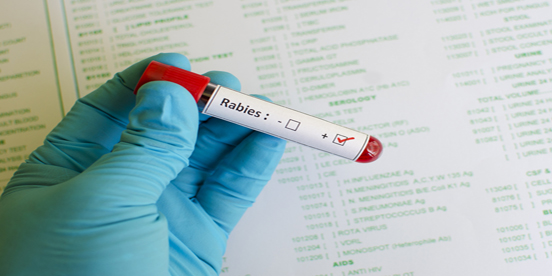
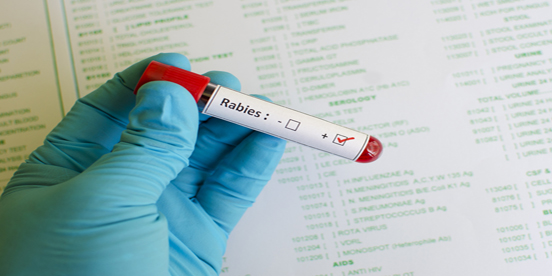
    DOVER, DEL. (June 26, 2024)– With the weather warming up, the Delaware Division of Public Health (DPH) urges the public to take precautions to avoid exposure to rabies and to be on the lookout for rabid animals during this active season.

    Rabies is endemic in Delaware, meaning it occurs regularly within the state’s wildlife populations. Since 2019, 54 animals have tested positive for rabies in Delaware. That number represents only a fraction of rabies in Delaware since, in most cases, DPH only tests animals that have potentially exposed humans to rabies.

    According to the U.S. Department of Agriculture (USDA), some of the visible signs of a rabid animal could include the animal being aggressive (e.g., attacking for no reason) or confused and/or drunk-like (e.g., walking in a circle).

    While any warm-blooded mammal is susceptible to rabies, the most common hosts of rabies in Delaware are community (stray or feral) cats, bats, raccoons, skunks, and foxes. Other local cases have also been seen in smaller numbers in cattle, equine, deer, groundhogs, and coyotes.

    Rabies is a fatal, yet preventable viral disease, and severe outcomes in humans can be avoided when treatment is administered soon after exposure before the disease develops. People usually get rabies from the bite of a rabid animal. It is also possible, but rare, for people to get rabies from non-bite exposures, including scratches, abrasions, or open wounds that are exposed to saliva or other potentially infectious material from a rabid animal.

    It is important to seek immediate medical attention and early treatment to prevent severe health outcomes. If you have been potentially exposed to an animal that seems likely to be infected with rabies, wash all wounds thoroughly with soap and water and seek medical attention immediately, even if the wound seems minor. All medical providers are required to report potential human exposure to the DPH Rabies Hotline by calling 302-744-4990 or by completing the human exposure report found at https://www.dhss.delaware.gov/DPH/dpc/rabies.html

    If You Encounter a Wild Animal Behaving Aggressively:

    • If you encounter a wild animal behaving aggressively, it is recommended that you contact the Department of Natural Resources and Environmental Control (DNREC)’s Wildlife Section at 302-739-9912. Calls after hours and on weekends can be made to the 24-hour dispatch number 800-523-3336. Staff will determine whether referring callers to a private nuisance wildlife control operator is more appropriate. A listing of nuisance wildlife control operators can be found at wildlifehelp.org.
    • If you encounter an aggressive stray domestic animal, such as a cat or dog, contact DPH’s Office of Animal Welfare (OAW) at 302-255-4646.

    If You Encounter a Sick or Injured Wild Animal:

    • To report a sick or hurt wild animal, Delaware residents are asked to contact the DNREC’s Wildlife Section at 302-739-9912 or 800-523-3336 after hours and on weekends. Staff will determine whether referring callers to a permitted volunteer wildlife rehabilitator is more appropriate.
    • If you encounter a sick stray domestic animal, such as a cat or dog, contact OAW at 302-255-4646.

    How to Protect Yourself and Your Family from Rabies:

    • Because animals can carry rabies without appearing sick, it is important to watch and enjoy wild and unknown animals from a distance.
    • Wear thick gloves if you are handling a community cat whose vaccination history is unknown.
    • Avoid hand-feeding wildlife.
    • Teach children not to touch any unfamiliar animal and seek adult assistance immediately if a child is bitten or scratched by any animal.
    • If a wild animal is on your property, keep your distance and let it wander away. Bring children and pets indoors and alert neighbors who might be outside. You may contact a nuisance wildlife control expert who will remove the animal for a fee. These professionals can be reached at wildlifehelp.org.
    • Feed pets indoors.
    • Tightly cap or put away garbage cans where animals cannot gain access to them.
    • “Batproofing” should be done during the fall and winter months. Nuisance wildlife control experts can provide these services for a fee.
    • Leave orphaned animals alone. Often, the parents are close by and will return for their young.
    • Because pets can get rabies from wildlife and could then spread it to humans, preventing rabies in pets is also an important step in protecting yourself and others.

    How to Protect Your Pets from Rabies:

    • Be sure your pet dogs, cats, and ferrets are properly immunized against rabies.
    • Keep family pets indoors at night. Never leave a pet outside unattended or let them roam free.
    • Consider vaccinating livestock and horses as well. Consult with your private veterinarian if you have questions about whether your animal(s) should be vaccinated against rabies.
    • If another animal injures your pet or presents with an unknown wound after being outdoors, contact your veterinarian for medical care. Your pet may need to be quarantined for a short time to ensure they were not exposed to a rabid animal.
    • For any questions regarding an animal quarantine, contact the Delaware Department of Agriculture (DDA) at 302-698-4630.

    For more information on the DPH Rabies Program, visit www.dhss.delaware.gov/DPH/dpc/rabies.html or call 1-888-285-5156 (24/7) or 302-744-4995 (business hours).

    For more information on rabies, visit the Centers for Disease Control and Prevention (CDC) at www.cdc.gov/rabies/,

    Rabies

    The Delaware Division of Public Health (DPH), a division of the Delaware Department of Health and Social Services, is a nationally accredited public health agency recognized by the Public Health Accreditation Board for its outstanding dedication to driving change through innovation.

    Anyone who is deaf, hard of hearing, Deaf-Blind or speech disabled can contact DPH by dialing 711 first using specialized devices (i.e. TTY, TeleBraille, voice devices). The 711 service is free and to learn more about how it works, please visit delawarerelay.com.

    Delaware Health and Social Services is committed to improving the quality of the lives of Delaware’s citizens by promoting health and well-being, fostering self-sufficiency, and protecting vulnerable populations.